

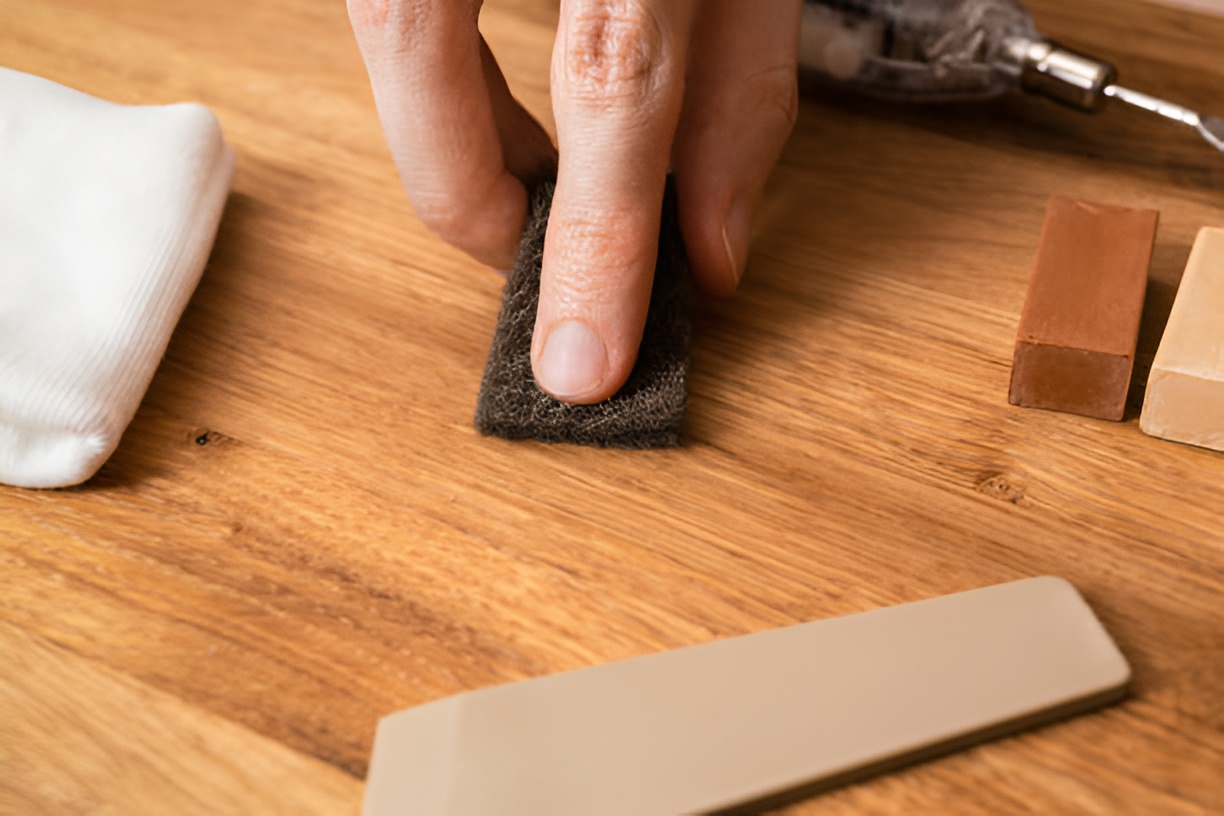
Hardwood flooring remains one of the most coveted features in residential real estate. Valued for its natural warmth, structural longevity, and timeless aesthetic, solid timber can endure for generations when properly maintained. However, life happens. Leaky dishwashers, pet accidents, heavy foot traffic, dragging furniture, and shifting indoor humidity can all leave visible scars on real wood surfaces.
When facing unsightly scratches, warping, or deep stains, property owners inevitably confront a crucial financial and architectural decision: should you repair or replace damaged hardwood flooring? Choosing the right path requires evaluating the depth of physical damage, the remaining thickness of the wood wear layer, subfloor integrity, and long-term project budgets. Understanding the distinction between superficial blemishes and catastrophic structural failure helps you make a confident, cost-effective decision.
Assessing the Severity and Scope of Hardwood Damage
Not all floor damage is created equal. Before consulting contractors or gathering quotes, it is essential to categorize the physical symptoms present on your floor. Hardwood damage generally falls into three distinct classifications based on depth and structural impact.
Surface-Level Blemishes
Minor surface damage is restricted entirely to the protective finish layer, such as polyurethane, aluminum oxide, or wax. Common examples include light micro-scratches from pet claws, minor dulling along heavy traffic corridors, and subtle scuffs from dining chair legs. Because the underlying wood fibers remain undamaged, surface issues represent the easiest and most affordable repairs.
Intermediate Physical Damage
Intermediate damage penetrates through the clear topcoat into the actual wood grain. This includes moderate gouges from dropped heavy objects, deep scratches that expose raw wood fibers, isolated split planks, and minor water staining along board edges. While visually jarring, intermediate damage is often localized to specific rooms or individual boards rather than spreading across the entire floor system.
Severe Structural and Environmental Damage
Severe damage threatens the structural integrity of the planks and the underlying subfloor. Examples include widespread water saturation that causes boards to buckle, rot resulting from unaddressed plumbing leaks, deep dark stains caused by pet urine, and active insect infestations like powderpost beetles or termites. In these scenarios, structural integrity is compromised, requiring extensive intervention.
When Repairing Hardwood Flooring Is the Best Choice
In a vast majority of residential situations, repairing or refinishing existing hardwood is far more practical and economical than tearing out the entire installation. Hardwood is one of the few flooring materials specifically designed to be restored multiple times.
Screening and Recoating for Minor Scuffs
When a hardwood floor looks dull and scratched but exhibits no deep gouges or bare wood exposure, a simple process called screening and recoating is usually sufficient. A technician lightly abrades the existing polyurethane topcoat using a buffer and applies a fresh protective finish layer. This process requires no heavy sanding, produces minimal dust, can be completed in a single day, and restores uniform shine across the room.
Full Sanding and Refinishing
If scratches penetrate past the topcoat into the raw timber, a complete sanding and refinishing project restores the floor to brand-new condition. Industrial drum sanders strip away the old finish along with a microscopic layer of wood, smoothing out surface dents and gouges. Once sanded smooth, the raw wood can be stained a completely new color before applying several coats of durable polyurethane.
Spot Board Replacement (Board Weaving)
When severe damage is isolated to a small area, such as a water stain near a refrigerator line or a burnt section near a fireplace, you do not need to replace the entire room. Experienced flooring carpenters can chisel out individual damaged boards and weave new matching timber directly into the existing floor grid. Once the new boards are locked in place, the entire floor is sanded and finished together, resulting in a completely seamless repair.
Preserving Historic Character and Original Materials
Old-growth timber used in historic homes possesses dense grain patterns and structural quality that modern commercial lumber simply cannot replicate. Preserving and repairing original solid wood floors retains the authentic character of vintage properties, protecting historical accuracy and maximizing resale charm.
When Replacing Hardwood Flooring Is Unavoidable
While repair is always the preferred first option, certain conditions render restoration impossible or financially impractical. Recognizing when a floor has reached the end of its useful life prevents wasted expenditure on temporary fixes.
Exhausted Wear Layer
Solid hardwood planks can typically undergo three to five heavy sandings over their lifespan. However, once repeated sanding exposes the metal tongue-and-groove fasteners or reduces the wood surface above the tongue to a thin shell, the floor can no longer be sanded without destroying the planks. When the wear layer is completely exhausted, total replacement becomes necessary.
Pervasive Water Damage and Subfloor Rot
When a home experiences major flooding or an undetected plumbing leak that saturates floors over weeks, wood planks absorb water, expand rapidly, and lift off the subfloor in severe arches known as buckling. If the subfloor beneath consists of rotted plywood or OSB, sanding the top surface will not fix the underlying structural instability. The entire assembly must be torn up to replace the damaged subfloor and eliminate toxic mold growth.
Limitations of Engineered Hardwood
Engineered hardwood features a real wood veneer glued over a composite plywood core. While highly stable in humid environments, cheap or thin engineered products feature a top wood veneer measuring less than two millimeters. These thin veneers cannot survive traditional drum sanding without burning through to the underlying core layers. Unless you own high-end engineered hardwood with a thick four-to-six-millimeter wear layer, severe surface damage usually necessitates replacing the floor.
Changing Timber Species or Board Dimensions
If your architectural vision requires switching from narrow two-inch red oak strip flooring to wide-plank character grade white oak, refinishing cannot achieve that goal. When altering structural layout, board width, or wood species across an entire home, complete replacement is the only route forward.
Comparing Costs, Timeline, and Disruption
Evaluating the trade-offs between repairing and replacing involves weighing immediate financial outlay against lifestyle inconvenience:
-
Financial Investment: Refinishing an existing hardwood floor typically costs significantly less per square foot than purchasing and installing new hardwood. Tearing out old floors adds demolition and disposal fees to the labor bill, driving total costs much higher.
-
Turnaround Time: Refinishing a home floor usually spans three to five days, depending on whether oil-based or water-based polyurethane is applied. Total replacement requires extra days for demolition, subfloor preparation, material acclimation, and installation.
-
Living Conditions: Refinishing generates fine dust and chemical fumes, often requiring residents to relocate temporarily. Total replacement involves loud structural demolition, heavy foot traffic from crew members, and extensive material staging inside the home.
Key Factors in Making the Final Decision
When weighing your options, keep these core practical guidelines in mind to guide your investment:
-
Apply the Fifty Percent Rule: If localized board replacement and floor repairs cost more than half the price of installing a brand-new floor, full replacement offers better long-term equity value.
-
Evaluate Room Coverage: If damage impacts less than twenty percent of an isolated room, opt for professional spot repair and board weaving. If severe damage covers over thirty percent of contiguous space, whole-floor replacement is generally more reliable.
-
Consider Wood Species Availability: Sourcing matching historic wood species or custom-milled board widths can be expensive. If identical replacement boards cannot be found, refinishing may leave visible inconsistencies, tipping the scales toward replacement.
Carefully assessing your floor’s physical structural baseline ensures you choose the path that delivers maximum visual beauty, structural stability, and financial return.
Frequently Asked Questions
How can you tell how many times a hardwood floor has already been sanded?
You can determine the remaining wood thickness by removing a floor register vent or baseboard moulding along an outer wall to view the side profile of a plank. Inspect the wood height above the top of the tongue-and-groove joint. If there is less than one-eighth of an inch of solid wood remaining above the tongue, the floor cannot withstand another full sanding.
Is it possible to patch damaged engineered hardwood flooring, or must it always be replaced?
Individual damaged engineered hardwood planks can be cut out and replaced using specialized plunge saws and high-strength construction adhesives, provided matching replacement planks are available. However, because engineered wood cannot always be sanded smooth across whole rooms, matching color and finish gloss levels between new and existing planks requires precise material sourcing.
Can severe pet urine stains in hardwood flooring be sanded out or repaired?
Deep pet urine stains cause dark black discoloration caused by chemical reactions between ammonia and natural wood tannins. Sanding often fails to remove these deep stains because urine penetrates straight through the full thickness of the wood plank. The most effective repair involves removing and replacing the stained boards before refinishing the entire surface.
How do you match new replacement boards with existing vintage hardwood floors?
Contractors match vintage floors by selecting identical raw wood species, grain patterns, and board widths. In older homes, professionals frequently source reclaimed hardwood from the same architectural period or harvest matching boards from secondary spaces like hall closets to perform seamless patches in prominent living areas.
Will home insurance cover the cost of repairing or replacing water-damaged hardwood floors?
Homeowners insurance generally covers hardwood floor repairs or replacement if the water damage resulted from a sudden, accidental internal discharge, such as a burst supply line or failed water heater. Standard policies typically exclude coverage for damage caused by long-term gradual leaks, lack of maintenance, or external natural flooding unless a separate flood insurance policy is held.
How long after refinishing or installing hardwood floors can you walk on them and move furniture back?
With modern water-based polyurethane finishes, homeowners can walk on floors in socks after six to eight hours, but heavy furniture and area rugs should stay off the floor for three to five days until full curing occurs. Oil-based polyurethane finishes require longer cure times, requiring at least twenty-four hours before foot traffic and up to seven to ten days before returning area rugs and heavy furniture.
Does screening and recoating fix cupped or warped hardwood floor planks?
No, screening and recoating only restores surface sheen and fixes micro-scratches in the clear topcoat finish. Cupping and warping are structural deformations caused by moisture imbalances in the wood fibers. Moisture issues must be resolved first, followed by heavy drum sanding to flatten the boards, or board replacement if warping is too severe.

Comments are closed.