

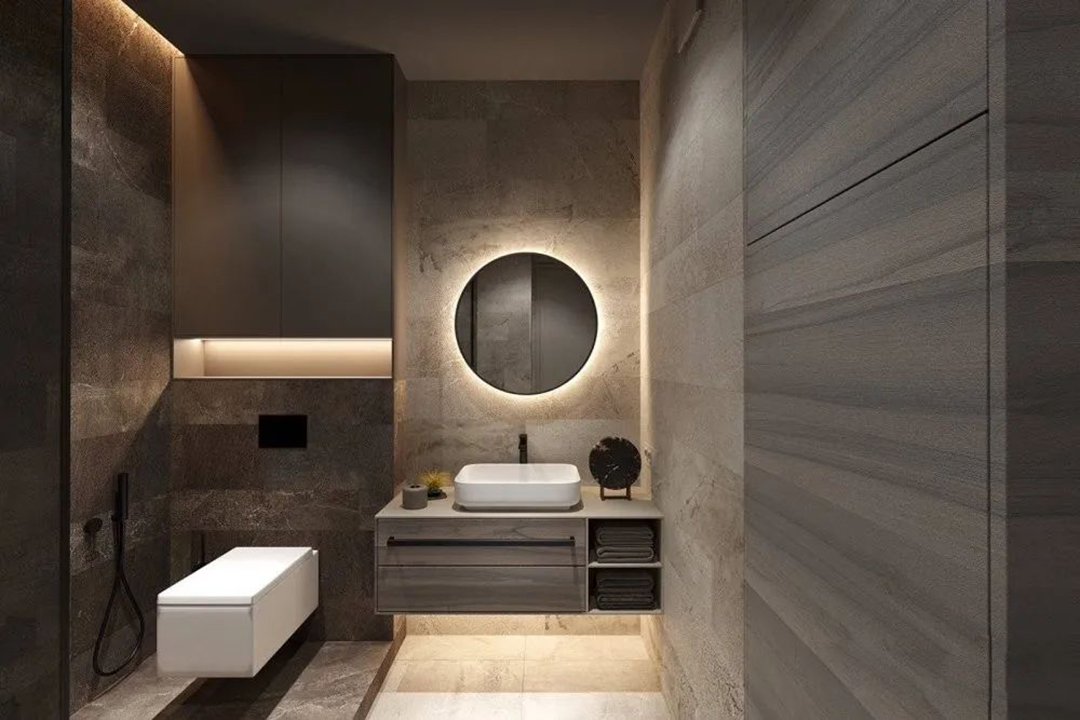
Kitchens and bathrooms represent the hardest working rooms in any residential property. They serve as daily hubs of activity, but they are also continuously exposed to moisture, high humidity, liquid spills, and plumbing accidents. From overflowing sinks and splashing bathwater to melted ice cubes and dropped pots of boiling water, these environments demand building materials that can endure severe daily stress.
For decades, property owners struggled to balance aesthetic appeal with practical moisture protection. Traditional hardwood floors warp when saturated, carpet absorbs liquids and breeds bacteria, and low-grade laminates swell permanently along their seams when exposed to spills. Modern water-resistant and waterproof flooring solutions have transformed home design. By creating an impenetrable defensive barrier, these advanced materials protect structural subfloors, maintain spatial hygiene, and preserve long-term property value.
Understanding the Difference Between Water-Resistant and Waterproof Flooring
Before evaluating structural benefits, homeowners must understand the crucial technical distinction between water-resistant and waterproof flooring materials. While the terms are frequently used interchangeably in consumer marketing, they refer to different levels of moisture defense.
Water-resistant flooring is engineered to withstand topical liquid exposure for a limited period. The surface wear layer and tight mechanical joints delay water penetration, giving residents a buffer window to clean up accidental spills before moisture reaches the core material or subfloor. If standing water remains on a water-resistant surface for extended periods, liquid can eventually seep into the seams and cause swelling or degradation.
Waterproof flooring, on the other hand, is constructed from completely inorganic or non-porous core materials that do not absorb water regardless of exposure time. Whether subjected to minor spills or major plumbing leaks, waterproof flooring maintains its structural integrity without cupping, peeling, or swelling. Products such as Stone Plastic Composite vinyl, solid porcelain tile, and advanced core composites fall into this complete protection category.
Protecting Structural Subfloors from Rot and Mold Growth
The primary technical function of water-resistant flooring in wet zones is shielding the underlying subfloor from moisture invasion. In most homes, subfloors consist of plywood, oriented strand board, or concrete slabs. When liquid migrates through floor seams or porous surface materials, it collects on top of the subfloor where it cannot evaporate quickly.
Continuous moisture trapped beneath surface flooring triggers rapid biological and structural damage:
-
Subfloor Delamination and Rot: Plywood and engineered wood subfloors swell when wet, causing the adhesive layers binding the wood plies to fail. Over time, wood fibers rot, leading to soft spots, sagging floors, and costly structural repairs.
-
Toxic Mold and Mildew Proliferation: Dark, damp spaces underneath floor coverings provide ideal breeding grounds for black mold and mildew species. Spores spread through HVAC systems and wall cavities, compromising indoor air quality and triggering respiratory issues for residents.
-
Concrete Efflorescence and Degradation: Moisture trapped between surface flooring and concrete slabs can draw alkaline salts to the surface, breaking down flooring adhesives and causing finish failure.
-
Structural Joist Damage: Unchecked liquid leaks that pass through subfloors eventually saturate structural floor joists, threatening the overall architectural safety of the building.
Advanced water-resistant flooring systems feature watertight interlocking joints, hydrophobic core materials, and non-porous top coats that stop water at the surface level, completely preventing subfloor saturation.
Maintaining Dimensional Stability Under Temperature and Humidity Fluctuations
Kitchens and bathrooms experience rapid atmospheric changes. Hot showers produce dense steam that elevates room humidity, while dishwashers and cooking appliances release thermal energy into surrounding spaces. Natural materials expand when exposed to high moisture levels and contract as ambient humidity drops.
Standard solid hardwood reacts poorly to these environmental shifts. Over time, continuous expansion and contraction cause hardwood planks to cup at the edges, crown in the middle, or create wide gaps where dirt and water accumulate.
Contemporary water-resistant flooring materials utilize rigid core technologies engineered for exceptional dimensional stability. Stone Plastic Composite cores incorporate natural limestone powder and polyvinyl chloride resin, creating a dense, rigid matrix that does not expand or contract when exposed to temperature spikes or high humidity. Similarly, ceramic and porcelain tiles are fired at extreme temperatures, fusing clay minerals into a dense ceramic mass that remains completely inert in humid conditions.
Enhancing Surface Durability Against Daily Wear and Chemical Spills
Moisture protection in kitchens and bathrooms must go hand-in-hand with physical durability. Kitchen floors endure heavy foot traffic, dropped utensils, dragging chair legs, and spills containing acidic cooking ingredients such as vinegar, citrus juices, tomato sauce, and cooking oils. Bathroom floors must withstand soapy residue, bath oils, grooming products, and chemical cleaners.
Modern water-resistant flooring features multi-layered construction designed to resist both physical impact and chemical staining:
-
Clear Commercial Wear Layers: Heavy-duty transparent top coats made from polyurethane or aluminum oxide protect the decorative visual layer from scratches, scuffs, and abrasive dirt.
-
Stain and Chemical Resistance: Non-porous surface coatings prevent dark liquids and household chemicals from penetrating the finish, allowing spills to be wiped away cleanly without permanent discoloration.
-
Impact Absorption: Core materials in rigid vinyl flooring provide slight flexibility under heavy impacts, reducing the likelihood of surface chipping when heavy kitchen cookware is accidentally dropped.
-
Slip-Resistant Surface Texturing: High-grade water-resistant floors incorporate embossed, textured surfaces that emulate natural wood grain or hand-chiseled stone, increasing foot traction when surfaces are wet.
Key Types of Water-Resistant Flooring for Wet Environments
Homeowners can choose from several high-performing material categories designed specifically for kitchens, bathrooms, and laundry areas:
-
Luxury Vinyl Plank (LVP) and Tile (LVT): Featuring realistic high-definition prints of natural wood or stone, LVP offers a completely waterproof core, soft underfoot feel, and warm thermal properties.
-
Stone Plastic Composite (SPC) Vinyl: Renowned for maximum density and impact resistance, SPC rigid core flooring is completely immune to water and ideal for high-traffic kitchens and wet bathrooms.
-
Porcelain and Ceramic Tile: The traditional gold standard for wet zones, porcelain tile features extremely low water absorption rates, exceptional scratch resistance, and an exceptionally long operational lifespan.
-
Water-Resistant Engineered Laminate: Incorporating edge-sealing technology and hydrophobic surface treatments, modern water-resistant laminate delivers the authentic visual warmth of hardwood with enhanced spill protection.
Strategic Installation Practices to Ensure Maximum Protection
Selecting a premium water-resistant flooring product is only half the equation. The installation process must be executed precisely to guarantee absolute moisture defense.
First, installing a specialized vapor barrier or waterproof underlayment over concrete subfloors prevents moisture from migrating upward into the flooring system. Second, proper expansion gaps must be maintained around the perimeter of the room to allow for structural settling, but these gaps must be sealed along tub skirts, shower enclosures, and vanity bases using 100 percent silicone caulk. This perimeter seal prevents surface water from washing over the edge of the floor into hidden wall cavities. Finally, ensuring subfloors are completely level before laying planks prevents vertical joint movement that could compromise watertight locking mechanisms.
Core Financial and Practical Advantages for Homeowners
Investing in high-performance water-resistant flooring yields long-term financial and operational benefits for property owners:
-
Extended Service Lifespan: Eliminates the need for premature floor replacement caused by minor plumbing leaks or frequent surface spills.
-
Streamlined Maintenance Routines: Requires simple damp mopping and sweep cleaning without expensive specialized waxes, sandings, or resealing treatments.
-
Enhanced Property Resale Value: Homebuyers prioritize durable, water-protected kitchens and bathrooms during property tours, boosting market appeal.
-
Improved Indoor Health Standards: Non-porous floor surfaces do not trap dust mites, pet dander, or mold spores, fostering a cleaner living environment.
By selecting superior water-resistant materials, homeowners protect their building investments while enjoying beautiful, stress-free interior spaces.
Frequently Asked Questions
How long can standing water remain on a water-resistant floor before causing damage?
The acceptable timeframe depends on the specific floor rating and construction. High-grade water-resistant floors can generally tolerate standing water for twenty-four to seventy-two hours without liquid penetrating the surface joints. However, completely waterproof materials like SPC rigid core vinyl or porcelain tile can withstand standing water indefinitely without core degradation.
Is a separate moisture barrier necessary when installing water-resistant vinyl over concrete?
Yes, installing a dedicated six-mil polyethylene vapor barrier over concrete subfloors is highly recommended. While waterproof vinyl planks will not decay from subfloor moisture, hydrostatic pressure pushing upward through porous concrete can drive moisture around plank edges, leading to mold growth under the floor and adhesive breakdown.
Can water-resistant flooring be installed directly over existing ceramic tile?
Water-resistant rigid core flooring like SPC vinyl can often be installed directly over existing level ceramic tile, provided the grout lines are not excessively deep or wide. Filling deep grout seams with a self-leveling compound prevents telegraphing, a condition where the impression of the underlying tile pattern shows through the surface floor over time.
How do you repair a single damaged plank in a water-resistant click-lock floor?
Individual damaged click-lock planks can be repaired without disassembling the entire floor. Installers carefully cut out the damaged center section of the plank, trim away the connecting tongue and groove edges on a replacement plank, apply specialized vinyl seam adhesive, and fit the new plank flush into the existing floor grid.
Does water-resistant flooring require special cleaning solutions or sealants over time?
Water-resistant and waterproof vinyl floors should be cleaned with neutral pH floor cleaners formulated specifically for resilient flooring. Avoid harsh abrasive cleaners, ammonia, bleach, or steam mops, as high temperatures from steam mops can force moisture into microscopic seams and compromise surface wear layer bonds over time.
What makes an SPC core superior to a WPC core in high-moisture bathrooms?
Both Stone Plastic Composite and Wood Plastic Composite cores are waterproof. However, SPC incorporates limestone powder, making it significantly denser, more rigid, and less susceptible to indentation from heavy bathroom fixtures or high heels. WPC uses foaming agents and wood flour, offering a softer step but slightly less overall impact resistance.
Can underfloor radiant heating systems be installed beneath water-resistant vinyl flooring?
Yes, most modern water-resistant SPC and LVP flooring products are compatible with underfloor radiant heating systems. Homeowners should verify manufacturer guidelines to ensure the radiant heating system does not exceed recommended surface temperature thresholds, which typically top out around eighty-five degrees Fahrenheit.

Comments are closed.