

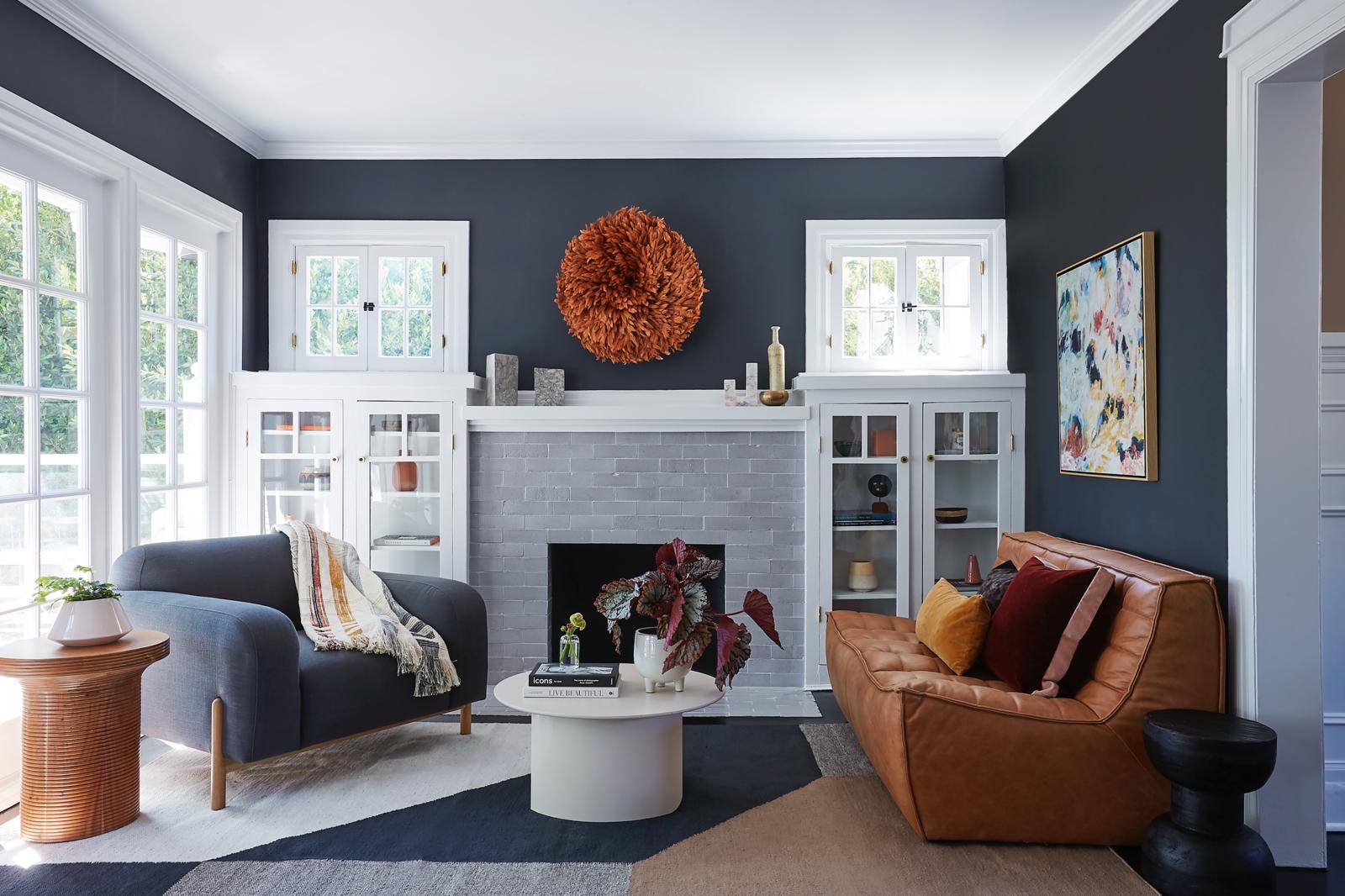
In an age defined by constant digital stimulation and fast-paced daily schedules, the home has become more important than ever as a sanctuary for rest and mental clarity. Among all the spaces in a residential floor plan, the living room serves as the primary hub for relaxation, entertaining, and family gatherings. When this high-traffic area becomes overcrowded with excessive furniture, tangled electronics, and accumulated knick-knacks, it can quickly induce stress rather than provide comfort.
Minimalist interior design offers a powerful antidote to modern spatial chaos. Contrary to common misconceptions, adopting a minimalist framework does not mean stripping a room down to stark white walls and uncomfortable seating. Instead, true minimalism is about intentional living. It focuses on curating an environment where every item serves a specific purpose, exhibits artistic value, or enhances personal well-being. By prioritizing quality over quantity, mastering spatial proportion, and embracing clean lines, you can transform a chaotic living area into an elegant, highly functional retreat.
Defining the Core Philosophy of Minimalist Living Spaces
At its foundation, minimalist interior design is governed by the idea that less is more. However, achieving an uncluttered room requires moving beyond basic aesthetic choices and adopting a thoughtful mindset toward spatial composition.
When designing a minimalist living area, open space is treated as an active element rather than empty square footage waiting to be filled. Interior designers refer to this as negative space. Negative space provides visual breathing room, allowing the eyes to navigate a room without feeling overwhelmed by competing patterns, textures, and objects. When key furniture pieces are surrounded by ample open floor space, their form and craftsmanship become far more noticeable and appreciated.
Furthermore, minimalism encourages a shift from reactive consumption to intentional curation. Rather than impulse buying mass-produced decor pieces to fill open shelves, homeowners are encouraged to evaluate how each item contributes to the room’s atmosphere, function, and comfort.
Decluttering Strategies to Establish a Clean Foundation
Before purchasing minimalist furniture or applying fresh paint, you must clear out the accumulated items that cause visual static. Attempting to organize excess belongings in an already crowded space rarely yields a clean design result. Systematic decluttering is the non-negotiable first step in creating an uncluttered living room.
To establish a serene baseline, apply targeted decluttering methods to evaluate every object in the space:
-
The Category Audit: Group similar items together, such as media, books, throw blankets, and decorative objects. Inspecting items in categories makes it far easier to identify duplicates, worn-out items, and objects that no longer serve a real purpose.
-
The Flat Surface Rule: Keep coffee tables, side tables, and media consoles as clear as possible. Surface clutter is the primary culprit behind chaotic visual noise. Limit tabletop decor to one carefully chosen item, such as a sculpted ceramic bowl or a single art book.
-
Concealed Storage Solutions: Move necessary items that lack aesthetic appeal into opaque, closed storage. Baskets, media cabinets with solid doors, and storage ottomans keep daily essentials accessible while keeping them out of view.
-
The Three-Month Evaluation: If a decorative object or non-essential accessory has not brought joy or utility over the past ninety days, relocate it, donate it, or store it elsewhere.
Removing physical clutter immediately lowers visual tension, exposing the true architectural lines and natural proportions of your living space.
Selecting a Cohesive Color Palette and Natural Textures
Color plays a decisive role in setting the psychological tone of a living room. Vibrant, competing colors can feel stimulating and chaotic, whereas a restrained, cohesive palette grounds the room and creates a unified aesthetic.
Minimalist spaces traditionally rely on neutral foundations, such as soft whites, warm greys, taupes, and muted earth tones. These hues reflect light effectively, making small living areas feel expansive and airy. However, a room filled exclusively with uniform shades of grey or white risk feeling cold, clinical, and uninviting.
The secret to creating warmth in a minimalist room lies in texture layering. When color variation is subtle, texture becomes the primary medium for adding depth and tactile interest:
-
Natural Wood Elements: Incorporating raw oak, walnut, or ash through coffee tables or shelving introduces warm organic grain patterns that soften clean structural lines.
-
Tactile Textiles: Layering natural fabrics like slubby linen, chunky wool knits, matte cotton, and smooth leather prevents monochrome seating areas from looking flat.
-
Matte Ceramics and Metals: Combining unglazed ceramic vases with muted black metal or brushed brass light fixtures adds subtle contrast without overwhelming the eye.
-
Woven Fiber Accents: Jute or sisal rugs provide grounding floor texture that pairs effortlessly with streamlined upholstered furniture.
By focusing on physical texture rather than loud graphic patterns, you maintain a tranquil atmosphere while ensuring the living space feels layered, inviting, and comfortable.
Curating Functional and Multi-Purpose Furniture
Furniture choices form the structural backbone of any living area. In a minimalist design plan, every piece of furniture must justify its presence through exceptional comfort, structural integrity, or multi-functional versatility. Oversized, bulky furniture suites can quickly overwhelm a room, blocking traffic paths and restricting light.
When selecting furniture for an uncluttered layout, prioritize low-profile silhouettes. Sofas and armchairs with clean horizontal profiles, thin armrests, and exposed legs raise the main visual mass off the floor. This exposure allows sightlines and light to pass underneath, generating a sense of spatial weightlessness.
Invest in multi-functional furniture designs that offer built-in utility. A modular sectional that can be reconfigured based on guest needs, a solid wood coffee table featuring hidden lift-top storage, or an upholstered bench with concealed compartments allows you to maintain high functionality without adding extra furniture items. Always measure your living space carefully to ensure proper proportions, leaving at least thirty to thirty-six inches of open walkway space along primary traffic routes.
Mastering Light, Proportion, and Spatial Flow
Illumination is one of the most effective tools for defining spatial boundaries and enhancing visual openness. A dark, poorly lit room feels constricted regardless of how few furniture items it contains.
Whenever possible, maximize natural daylight. Replace heavy, dark drapes with floor-to-ceiling sheer linen panels or translucent roller shades. These options filter sunlight softly while protecting privacy, avoiding hard shadows, and maintaining an airy aesthetic. Hanging drapery rods near the ceiling line and letting sheer curtains fall straight to the floor draws the eye vertically, giving the illusion of taller ceilings.
For artificial lighting, avoid relying solely on a single overhead fixture, which creates uniform illumination and flattens room depth. Instead, construct a layered lighting scheme using a combination of dimmable ambient recessed lights, warm architectural floor lamps, and subtle accent illumination. Placing warm floor lamps in underutilized corners eliminates dark shadows and creates an inviting evening atmosphere.
Restrained Accessory Styling and Intentional Accents
Adopting a minimalist approach does not require leaving every shelf blank or eliminating artwork entirely. Rather, it requires shifting from dense collections to deliberate, high-impact display strategies.
When styling surfaces, shelves, or walls, apply the principle of restrained curation:
-
Single Statement Artwork: Instead of hanging a dense gallery wall with dozens of small frames, select one large-scale canvas or framed photograph. A single impressive art piece creates a powerful anchor point without fragmenting wall space.
-
The Rule of Three: When arranging decorative items on a sideboard or mantel, group objects in odd numbers. Combining three items of varying heights and organic shapes creates balanced, asymmetrical visual interest.
-
Biophilic Touches: Incorporate one or two large indoor plants, such as a bird of paradise, olive tree, or fiddle-leaf fig, planted in simple terracotta or concrete pots. Living greenery adds vibrant color, dynamic leaf shapes, and natural vitality to geometric room layouts.
-
Negative Space on Shelves: Leave at least one-third of open shelving completely empty. Resisting the urge to fill every slot gives your curated display items space to be noticed.
By treating accessories as individual focal points rather than general filler, you preserve the calm, uncluttered nature of the living environment.
Essential Habits for Maintaining a Minimalist Environment
Creating an uncluttered living area is an ongoing practice rather than a single weekend project. Without established routines, daily life, mail, packages, clothing, and personal items will inevitably slide back onto open surfaces.
Implement simple daily and weekly maintenance habits to protect your minimalist living space:
-
The Evening Reset: Spend five minutes at the end of each evening returning items to their designated storage spaces, fluffing cushions, and clearing tabletop surfaces. Starting each morning with a tidy living room reinforces a calm mindset.
-
The One-In, One-Out Rule: Whenever you bring a new decorative object, throw pillow, or piece of media into your living room, remove an existing item. This rule enforces intentional buying habits and keeps physical inventory balanced over time.
-
Seasonal Surface Audits: At the turn of each season, review exposed surfaces and storage cabinets. Donate items that are no longer used and refresh textile layers to match seasonal shifts.
By integrating these mindful habits into your routine, your living space will remain a balanced, uncluttered haven that supports long-term mental well-being and effortless daily living.
Frequently Asked Questions
How can a family with young children maintain a minimalist living area without creating constant frustration?
Maintaining minimalism with children relies on smart storage design and setting realistic boundaries. Utilize low-level enclosed storage bins, toy chests that double as seating benches, and opaque cabinet doors where toys can be put away quickly at the end of the day. Designate specific, easily accessible baskets for daily play items, keeping open living surfaces clear while allowing children to play freely and clean up independently.
What is the best way to handle cords, electronics, and charging cables in a minimalist setup?
Concealing electronic clutter is essential for maintaining clean sightlines. Route television cables through wall cavities or use paintable cord covers that blend seamlessly into the wall finish. Choose media consoles featuring rear cable outlets and internal power strips. For charging devices, set up dedicated charging drawers or decorative cable management boxes that hide adapters and cords from plain sight.
How do you prevent a minimalist living room from feeling sterile or clinical?
Sterility occurs when a room lacks warm tones, tactile materials, and organic shapes. Prevent a cold look by incorporating warm wood tones, textured fabrics like wool, linen, and velvet, soft warm lighting, and living houseplants. Introducing rounded furniture edges, such as an oval coffee table or curved armchair, breaks up rigid structural lines and creates a softer environment.
What window treatments work best for maintaining privacy while preserving a clean minimalist aesthetic?
Custom motorized roller shades, sheer linen drapes, or interior wood shutters with clean frames offer privacy without adding visual bulk. Sheer linen curtains allow diffuse natural light to flood the room while obscuring outside views, and recessed roller shades can retract entirely into ceiling pockets when opened, leaving window openings completely unobstructed.
How does a low-profile sofa impact the visual perception of space in a smaller living room?
A low-profile sofa features a reduced back height and clean horizontal proportions, keeping sightlines clear across the center of the room. By leaving more vertical wall space visible above the seating level, the sofa prevents the living area from feeling crowded, making small or low-ceilinged living rooms appear visually spacious and open.
Is it possible to combine minimalist decor with vintage or antique furniture pieces?
Yes, combining minimalist design with vintage items produces a sophisticated, curated look known as warm minimalism. A single antique wood side table, a vintage ceramic vessel, or a classic mid-century chair stands out beautifully against a simple, uncluttered background. The key is moderation: pair one or two vintage focal pieces with clean contemporary foundations so the space stays structured and fresh.
What floor covering options work best for grounding an uncluttered living space?
Neutral, large-scale area rugs made from natural fibers like wool, jute, or sisal work best. Look for subtle textures such as subtle geometric weaves, ribbing, or low-pile construction rather than busy multi-colored prints. Ensure the rug is sized correctly so the front legs of major seating pieces rest on top of it, creating a unified seating anchor that visually grounds the space.

Comments are closed.