

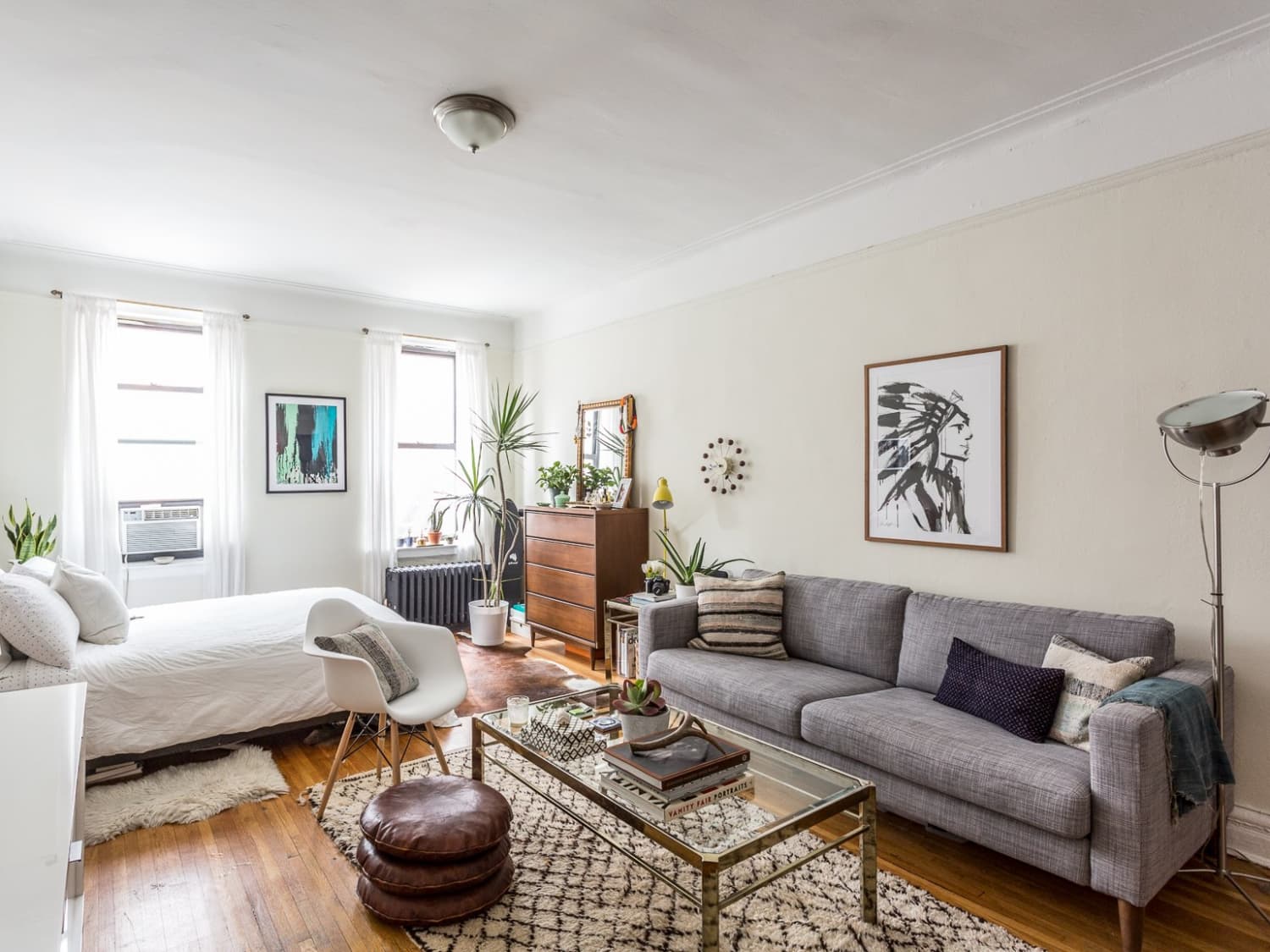
Walking into a room that feels uninspired, sterile, or completely devoid of character is a common frustration for homeowners and renters alike. Neutral paint palettes, builder-grade fixtures, and cookie-cutter furniture arrangements often leave interior environments feeling more like anonymous hotel rooms than personal sanctuaries. While minimalist trends have popularized neutral color schemes, stripping a room of all visual interest leaves it feeling cold and disconnected from the people who inhabit it.
Transforming a bland room into a vibrant, expressive environment does not require a complete architectural overhaul or a massive renovation budget. Instead, the secret lies in the strategic deployment of statement decor. Statement decor refers to bold, intentionally chosen design elements that instantly capture attention, establish an aesthetic focal point, and reflect the unique personality of the occupant. By introducing carefully curated pieces that contrast with surrounding neutral foundations, you can inject warmth, energy, and individuality into any dull setting.
Understanding the Role of Focal Points in Interior Design
Before introducing bold decorative elements, it is essential to understand the underlying mechanics of visual hierarchy. Every well-designed room requires a primary anchor point: a place where the eye naturally rests upon entering the space. Without a clear focal point, a room feels chaotic or visually flat because the brain cannot decide where to direct its attention.
Boring spaces usually suffer from a lack of focal clarity. Every wall, piece of furniture, and lighting fixture exists at the same visual volume. Statement decor breaks this monotony by creating intentional contrast. Whether through dramatic scale, rich texture, vibrant color, or unusual geometry, a statement piece introduces a powerful dynamic that anchors the rest of the design elements in the room.
Harnessing Oversized and Expressive Wall Art
Blank white walls are the most frequent culprits behind a dull room atmosphere. While a gallery wall featuring small framed photos can add charm, it can also look cluttered if not executed precisely. An oversized, single-canvas piece of art creates an immediate, clean visual impact that elevates the perceived value of the entire room.
When selecting statement art, consider options that go beyond conventional landscape paintings or generic mass-produced prints:
-
Large-Scale Abstract Canvases: Bold brushstrokes, high-contrast color palettes, and expansive fields of texture create dynamic energy in living rooms or entryways.
-
Textile Wall Hangings: Woven tapestries, fiber art, or vintage rugs mounted on the wall add warmth, soften harsh room acoustics, and introduce rich tactile depth.
-
Architectural Framed Mirrors: Floor-length or large arched mirrors with sculpted metal frames reflect light into dark corners, making compact rooms feel vastly larger while acting as functional sculptures.
-
Framed Vintage Maps or Architectural Plans: Historical prints or blueprints offer an intellectual focal point that sparks conversation while reflecting personal interests or travels.
Scale is critical when using wall art as statement decor. A small frame placed on a large blank wall feels lost and accentuates the emptiness of the room. Aim for the artwork to span roughly two-thirds to three-quarters of the width of the furniture piece sitting below it.
Incorporating Sculptural Lighting as Functional Art
Lighting is frequently treated as an afterthought, relegated to builder-grade overhead domes or plain ceramic table lamps. However, lighting fixtures present one of the most effective opportunities to introduce statement design into an uninspired space. When viewed as functional sculpture, a light fixture can redefine a room even when it is turned off.
Replacing a standard ceiling fixture with an eye-catching pendant, architectural chandelier, or dramatic floor lamp instantly redefines the proportions of a room. Look for lighting designs featuring unexpected materials such as brushed brass, smoked glass, hand-blown glass globes, or sculpted black iron. Swapping out basic fixtures over dining tables, kitchen islands, or living room seating areas draws the eye upward, highlighting ceiling height and adding a layer of architectural sophistication.
Floor lamps with dramatic arching arms or tripod bases can also serve as freestanding sculptural elements in underutilized room corners. By combining functional illumination with intriguing visual forms, you convert essential utility items into high-impact design statements.
Introducing Bold Furniture Pieces with Unique Silhouettes
You do not need to replace an entire living room suite to make a dramatic design statement. In fact, matching furniture sets often contribute to a generic, showroom-like aesthetic. Instead, mixing standard base pieces with one or two striking, non-matching furniture accents creates an curated, organic feel.
Consider replacing a standard accent chair with a sculptural armchair upholstered in rich velvet, boucle fabric, or deep cognac leather. A carved wood coffee table with organic edges, a colorful lacquer sideboard, or an antique trunk converts a routine seating area into a memorable space.
-
The Power of the Accent Chair: A chair featuring sweeping curves, wingback proportions, or an unconventional metal frame creates an inviting reading nook while breaking up straight lines.
-
Statement Credenzas and Sideboards: Storage units with geometric carved doors, metallic inlaid patterns, or dramatic stone tops provide practical organization while serving as visual anchors along long walls.
-
Unconventional Side Tables: Tables made from petrified wood, solid brass castings, or poured terrazzo introduce unexpected textures that elevate adjacent sofas or beds.
By pairing clean, neutral main seating with distinct accent pieces, the contrast makes the statement items pop without overwhelming the surrounding space.
Utilizing High-Contrast Paint and Dramatic Wallpaper
Wall treatments offer an unparalleled medium for transforming room atmospheres quickly. If full-room repainting feels intimidating or impractical, targeted application of high-contrast paint or textured wall coverings can completely change spatial perception.
Creating a single accent wall using a deep, moody shade like forest green, midnight blue, or charcoal gray immediately grounds a room. Darker colors create a sense of intimacy and depth, making lighter furniture pieces stand out sharply against the background. Alternatively, painting the ceiling a contrasting color draws the eye overhead, transforming an ignored surface into a dramatic canopy.
For those seeking pattern and texture, peel-and-stick or traditional wallpapers offer limitless possibilities. Contemporary wallpaper designs feature bold botanical prints, subtle metallic geometrics, and textured grasscloths. Applying wallpaper inside an entryway alcove, behind a bedroom headboard, or within a powder room turns small, neglected areas into memorable features.
Layering Rich Textures and Tactile Floor Coverings
Visual interest is not driven solely by color; texture plays an equally important role in shaping how a room feels. A room filled entirely with smooth, hard surfaces feels sterile and cold. Layering varied textures invites touch, builds warmth, and adds subtle visual complexity.
Area rugs are particularly effective at defining zones within open floor plans while adding statement personality from the ground up. Instead of selecting a plain low-pile rug, look for vintage Persian designs, thick Moroccan wool piles, or contemporary geometric patterns. A bold rug acts as living artwork for the floor, tying together disconnected furniture items and softening room acoustics.
Complement floor coverings by layering textiles throughout the room. Mix heavy velvet throw pillows with slubby linen drapes, chunky knit blankets, and natural leather accents. The interplay between glossy, matte, rough, and soft surfaces creates visual richness that makes even simple rooms feel customized.
Curating Personal Collections and Biophilic Elements
A truly personalized space reflects the story, experiences, and passions of the person living in it. Mass-produced decorative knick-knacks purchased in bulk often feel superficial. Instead, focus on curating meaningful objects that carry personal significance or artistic intrigue.
Displaying a collection of ceramic vases collected during travel, vintage leather-bound books, or architectural artifacts on open shelving creates an authentic gallery atmosphere. Group items in odd numbers, varying their heights and weights to create balanced visual compositions.
Integrating large-scale indoor plants is another powerful way to revitalize lifeless rooms. Oversized greenery like a fiddle-leaf fig, bird of paradise, or monstera introduces vibrant natural color, organic shapes, and fluid motion that rigid structural walls lack. Placing plants in statement planters made of terracotta, concrete, or hammered brass merges natural beauty with curated interior design.
Strategic Guidelines for Balanced Decor Execution
To ensure your statement decor choices enhance rather than clutter your living environment, keep these core design guidelines in mind during planning:
-
Maintain Visual Balance: Limit major statement items to one or two per room to prevent visual competition and maintain clarity.
-
Respect Spatial Proportions: Choose pieces that fit the scale of the room so small areas are not overwhelmed and large rooms do not swallow delicate accents.
-
Establish Color Harmony: Pull accent colors for pillows, artwork, and rugs from a unified base palette to create a cohesive narrative throughout the space.
-
Prioritize Quality Over Quantity: Invest in a few well-made, durable items rather than accumulating multiple cheap decorative accents that quickly clutter surfaces.
Applying these principles allows you to transform plain, characterless interiors into expressive, welcoming spaces that celebrate your personal taste.
Frequently Asked Questions
How do I select the right statement color for a room with very little natural light?
In rooms with limited natural light, avoid muddy mid-tone shades that can look dull under artificial lighting. Instead, embrace the lack of light by using deep, saturated tones like navy, plum, or emerald green to create a cozy, dramatic atmosphere. Alternatively, choose crisp whites paired with warm wood tones and reflective metallic accents to amplify whatever ambient light is available.
What is the best way to incorporate statement decor in a rental apartment without losing my deposit?
Focus on non-permanent solutions such as removable peel-and-stick wallpapers, large lean-against-the-wall floor mirrors, tension-mounted shelving, and oversized area rugs. Swapping out landlord-grade light fixtures or cabinet hardware for custom options is another effective strategy, provided you store the original components to reinstall before moving out.
How can I make a statement in a very small room without making it feel cluttered?
In small spaces, make a statement using vertical height or functional items rather than adding extra surface clutter. Choose a dramatic light fixture, apply an expressive wallpaper to the ceiling, hang a large mirror to reflect light, or invest in a single piece of statement furniture with built-in storage to keep floor space clear.
How do I mix different interior design styles without the space looking chaotic?
To mix design styles successfully, establish a consistent unifying thread across all pieces, such as a repeating color palette, shared wood finish, or continuous metal tone. Limit your primary design styles to two main influences, using an 80/20 distribution ratio where one dominant style grounds the space while the secondary style provides surprising accent contrast.
What is the difference between a statement piece and an accent piece in interior design?
A statement piece is a primary focal point specifically designed to draw immediate attention through its size, unique shape, bold color, or dramatic texture. An accent piece plays a supporting role, offering smaller pops of color or texture that harmonize with and reinforce the broader design scheme set by the statement piece.
How high should I hang statement artwork above a sofa or mantel?
Artwork should generally be hung so the center of the image sits at eye level, typically 57 to 60 inches from the floor. When hanging art directly above a sofa, headboard, or fireplace mantel, position the bottom edge of the frame four to eight inches above the top of the furniture piece to ensure a cohesive visual connection.
How can I make a gallery wall look like a cohesive statement rather than a chaotic mix?
To unify a gallery wall, stick to a shared element across all pieces, such as uniform frame styles, identical matting colors, or a cohesive color theme like black-and-white photography. Lay out the full arrangement on the floor first to test spacing and balance before driving hooks into the wall.

Comments are closed.