

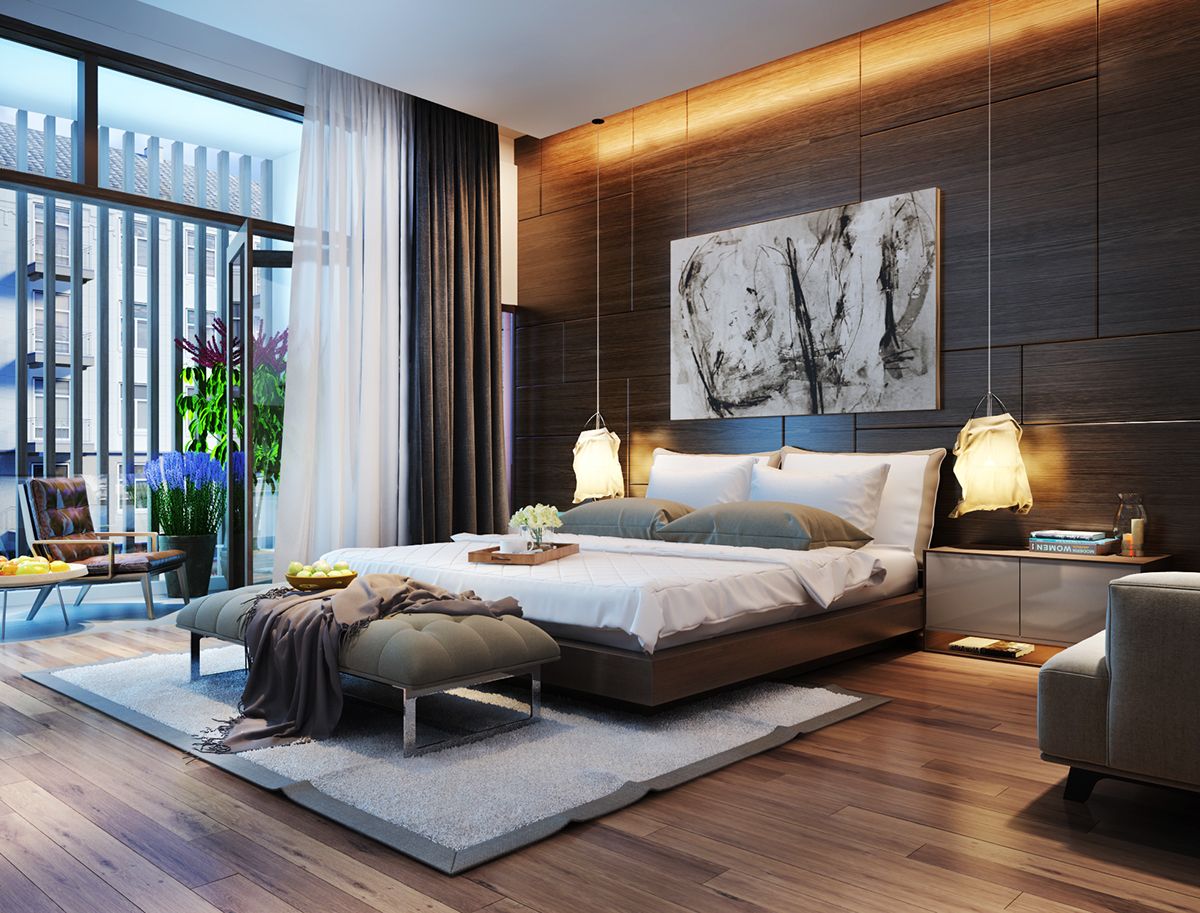
The bedroom serves as an intimate sanctuary dedicated to rest, recovery, and personal comfort. While hard-surface flooring choices like luxury vinyl plank, engineered hardwood, and tile have dominated open-concept living spaces in recent years, homeowners are increasingly turning back to wall-to-wall carpet for private quarters. Hard surfaces can leave bedrooms feeling acoustic, echoey, and physically cold underfoot, particularly during early morning hours or seasonal temperature drops.
Modern carpet trends have moved far beyond the generic, uninspired options of previous decades. Today, carpet design focuses heavily on physical texture, sustainable natural fibers, nuanced earth tones, and sophisticated geometric patterns. By selecting contemporary carpet styles engineered for deep comfort and visual richness, you can transform your bedroom into a cozy, serene retreat that radiates physical and visual warmth.
Reimagining Neutral Palettes with Warm Earth Tones
Cool gray palettes held a firm grip on residential interior design for over a decade. However, gray tones often introduce a sterile, clinical ambiance when applied over large surface areas like bedroom floors. Current carpet trends reflect a strong industry shift toward warm, organic earth tones that instantly make interior spaces feel welcoming and grounded.
Homeowners and interior designers are embracing rich, comforting shades that echo the natural world:
-
Warm Oatmeal and Cream: Replacing cool stark whites, soft oatmeal and alabaster tones brighten bedrooms while offering a gentle, golden undertone that reflects morning sunlight.
-
Muted Terracotta and Clay: Subtle reddish-brown and muted terracotta carpets bring an inviting, grounded heat to master suites, pairing exceptionally well with dark wood furniture.
-
Warm Greige and Taupe: For those who desire a neutral foundation that balances both warm and cool decor elements, greige blends gray with warm beige to deliver ultimate styling flexibility.
-
Deep Caramel and Honey: Deeper golden-brown shades add a touch of understated luxury, anchoring large bedrooms and providing a stunning contrast against crisp white bedding and walls.
These warm chromatic bases act as an atmospheric blanket, softening sharp architectural lines and setting a peaceful, restful tone suitable for sleep.
Embracing Tactile Depth Through Loop and Cut-Pile Textures
Texture plays an essential role in how warm a bedroom feels. When carpet lacks textural variation, it looks flat and cold regardless of its color. Modern manufacturing techniques have made it possible to create intricate loop and cut-pile combinations that introduce remarkable tactile depth to residential floors.
One of the prominent carpet trends gaining momentum is loop pile construction, particularly wool Berber and textured loop styles. Instead of shearing the fiber loops at the surface, looped carpet leaves the woven fiber intact. This creates a dense, cushioned feel underfoot that traps warmth effectively while displaying subtle, hand-woven visual characteristics.
Alternatively, plush cut-pile carpets remain a classic choice for bedroom luxury. High-density saxony and frieze cuts create a soft, cloud-like surface that absorbs sound and invites barefoot walking. Mixing cut and loop fibers within the same carpet roll allows manufacturers to carve subtle, sculptural patterns like soft wave lines, diamonds, or organic stone textures. This subtle dimensional variation adds visual interest without overwhelming the bedroom layout.
The Rise of Sustainable and Natural Fiber Carpeting
As environmental consciousness influences home design, natural fiber carpets have emerged as top choices for healthy, cozy bedrooms. Homeowners are increasingly seeking out renewable materials that minimize chemical off-gassing while offering superior performance and tactile appeal.
Wool stands as the gold standard for luxury bedroom carpet. As a completely natural and renewable fiber, wool provides unmatched insulation performance. Its dense, crimped fiber structure traps pocketed air, creating a natural thermal barrier that holds room heat in winter and keeps floors cool during summer. Wool is also inherently hypoallergenic, flame-resistant, and naturally repels soil thanks to its outer lanolin layer.
Beyond wool, natural plant fibers are securing a prominent spot in contemporary bedroom interiors:
-
Sisal and Seagrass Blends: While pure sisal can feel firm underfoot, blending sisal with soft wool yields a durable, highly textured carpet that introduces organic warmth and rustic elegance.
-
Jute Carpeting: Derived from plant stalks, jute offers a softer feel than sisal, making it well-suited for bedrooms where low-impact foot traffic is the norm. Its deep tan coloration pairs effortlessly with bohemian or modern coastal decor styles.
-
Organic Cotton Blends: Cotton fibers offer exceptional softness and are easily dyed into rich, warm hues, providing a breathable and chemical-free alternative for children bedrooms and nursery spaces.
Investing in natural fiber carpets ensures that your bedroom environment remains free of synthetic chemical smells, enhancing both indoor air quality and personal comfort.
Introducing Subtle Geometric and Organic Patterns
Plain, featureless carpets are giving way to patterned options that serve as subtle design foundations. Rather than using loud, high-contrast prints, current carpet trends favor low-profile geometric and organic patterns rendered in tone-on-tone color schemes.
Grid patterns, delicate herringbone weaves, soft chevron lines, and abstract botanical motifs add a layer of tailored sophistication to bedroom floors. Because the pattern relies on varying pile heights or subtle shade shifts within the same color family, the effect remains calming rather than visually distracting.
Patterned carpets also offer practical advantages. The structural variation helps disguise everyday foot tracks, vacuum lines, and minor wear, keeping bedroom floors looking pristine for longer periods. When paired with simple linen drapes and minimalist furniture, a patterned carpet elevates the entire room into a designer-level space.
Layering Area Rugs Over Wall-to-Wall Carpeting
A creative trend gaining widespread popularity among interior stylists is layering decorative area rugs directly on top of wall-to-wall carpet. While traditionally viewed as redundant, rug layering adds dimensional richness, introduces secondary accent colors, and provides an extra layer of thermal insulation right where your feet hit the floor beside the bed.
To execute rug layering successfully, contrast is key. Pair a low-pile or loop-style broadloom carpet with a plush, high-pile accent rug like a thick Moroccan wool rug or a vintage patterned flat-weave. Position the area rug so it extends out from under the bottom two-thirds of the bed, anchoring the sleeping zone and adding an extra layer of tactile luxury to the space.
Prioritizing High-Performance Carpet Cushioning
When evaluating carpet trends, it is easy to focus exclusively on surface appearance. However, the true feeling of warmth, plushness, and luxury is largely determined by what sits beneath the carpet: the carpet cushion or padding.
Upgrading to a high-density, high-thickness underlayment transforms even mid-tier carpets into luxurious walking surfaces. Quality carpet padding acts as a thermal insulator, preventing cold subfloor temperatures from radiating upward into the room. Additionally, high-spec padding absorbs acoustic vibrations, dampening footstep sounds and blocking noise transfer between building levels. For maximum bedroom comfort, opt for memory foam or heavy rubber carpet padding with built-in moisture barriers.
Key Design Principles for a Cozy Carpeted Bedroom
To ensure your new carpet choice elevates your bedroom atmosphere while maintaining long-term performance, keep these core principles in mind:
-
Prioritize Softness: Choose high-density, fine-denier fibers that feel gentle against skin, particularly for primary bedrooms and guest retreats.
-
Match Scale to Room Size: Select subtle, smaller patterns for compact bedrooms to avoid visual overcrowding, reserving larger geometric weaves for spacious master suites.
-
Factor in Maintenance: Opt for carpets featuring inherent stain-resistance technology or natural stain-repelling properties like wool if you enjoy morning coffee or snacks in bed.
-
Coordinate with Wall Colors: Select a carpet shade two steps darker or lighter than your wall paint to establish a harmonious, layered depth throughout the room.
By carefully pairing modern color palettes, rich tactile textures, and quality underlayments, your bedroom floor becomes a foundational design feature that delivers daily warmth, serenity, and physical comfort.
Frequently Asked Questions
Is wool carpet better than synthetic carpet for bedroom insulation?
Yes, wool carpet offers superior natural thermal and acoustic insulation compared to synthetic fibers like nylon or polyester. Wool fibers possess a natural crimp that traps air pockets, preventing heat loss through subfloors and keeping room temperatures stable. While synthetic carpets can be treated for softness, wool naturally maintains thermal efficiency and resilience for decades.
What carpet pile height is ideal for creating a cozy bedroom environment?
A plush cut-pile or medium-to-high pile height ranging between three-eighths of an inch to one-half of an inch is ideal for bedrooms. This depth provides a soft, cushioned feel underfoot without becoming overly difficult to vacuum or trap excessive dust. For high-traffic bedrooms, a dense loop or patterned cut-and-loop offers a great balance of comfort and durability.
Can you install wall-to-wall carpet over radiant underfloor heating systems?
Yes, carpet can be installed over radiant underfloor heating, but total thermal resistance must be considered. The combined thermal resistance, or TOG rating, of both the carpet and the underlayment should generally not exceed 2.5 TOG. Exceeding this threshold blocks heat from rising effectively into the room, reducing the efficiency of your radiant heating system.
How do I prevent heavy bedroom furniture from leaving permanent dents in carpet?
To protect carpet fibers from permanent crushing under heavy bed frames, dressers, and nightstands, place broad furniture coasters or protective cups under the legs to distribute weight evenly. Periodically moving furniture an inch or two, along with applying steam from an iron over damp towels placed over crushed pile, helps re-inflate compressed carpet fibers.
Are textured loop and Berber carpets comfortable enough for bedrooms?
Modern loop and Berber carpets crafted from soft wool or fine synthetic yarns are exceptionally comfortable for bedrooms. Unlike older, coarse Berber styles, modern loop constructions prioritize tactile softness while delivering a tailored, contemporary aesthetic. They are particularly popular in modern Scandinavian and rustic bedroom designs.
What is the average lifespan of a quality bedroom carpet?
A high-quality bedroom carpet that is properly maintained and installed over high-density padding typically lasts between ten and fifteen years. Because bedrooms experience lower foot traffic and less tracked-in dirt compared to living rooms or hallways, bedroom carpets tend to retain their pile resilience, appearance, and softness far longer than carpets in high-traffic zones.
How do I keep my light-colored or neutral bedroom carpet looking clean over time?
To preserve light neutral carpets, establish a strict shoes-off policy in bedroom quarters, vacuum high-traffic walking paths twice weekly using a vacuum with adjustable brush height, and address liquid spills immediately by blotting with clean white towels. Professional hot-water extraction cleaning every twelve to eighteen months removes deep-seated dust and refreshes flattened fibers.

Comments are closed.