

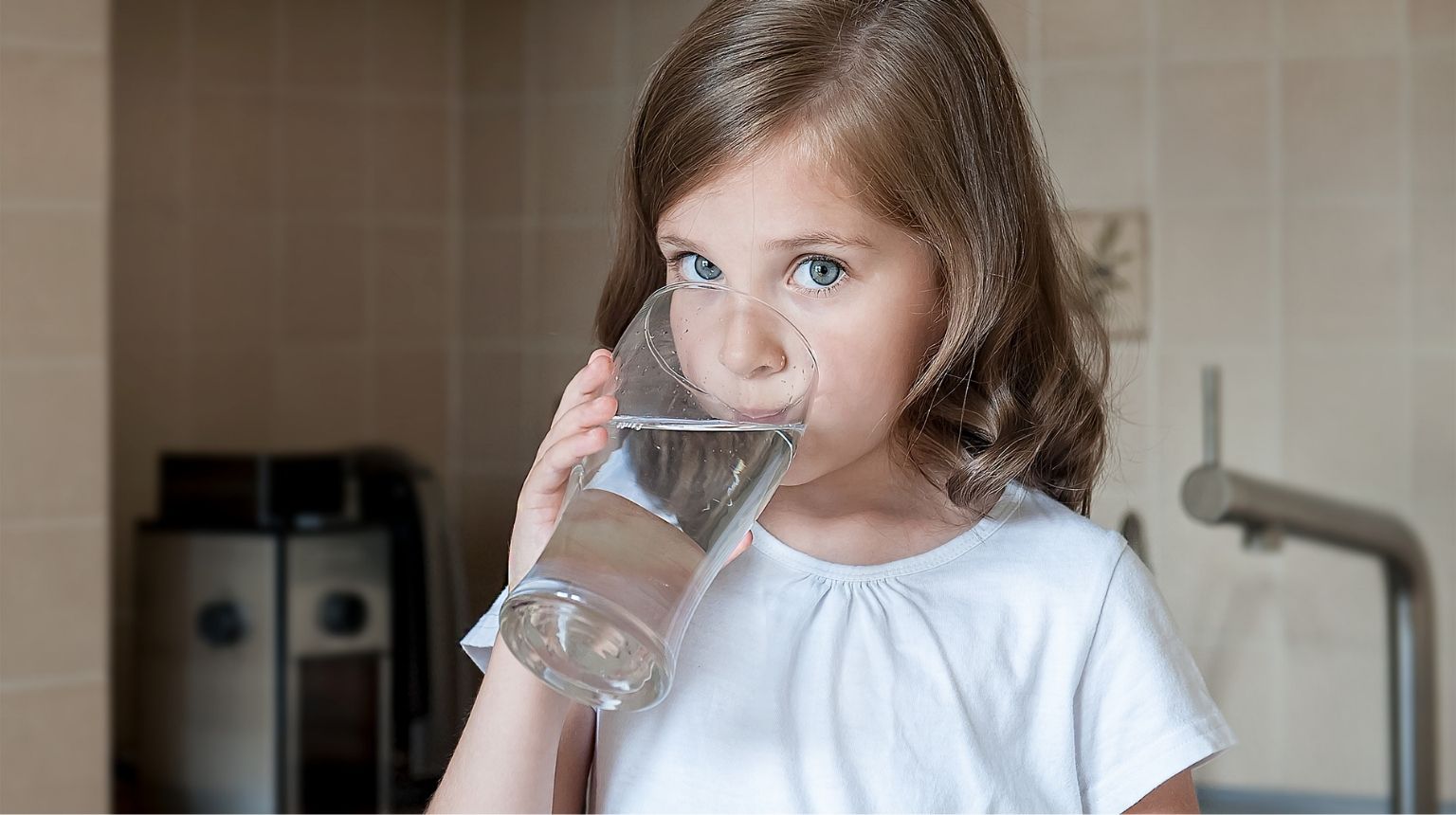
Clean water has always been essential for health, but in recent years families with children have become significantly more aware of the quality of water they use every day. This shift is not just about drinking water. It includes the water used for cooking, bathing, making formula, washing fruits, and even cleaning the home. Parents are more informed today, and they understand that water quality has long term effects on childhood development, immune strength, and overall wellbeing.
This growing awareness is influenced by changing lifestyles, increased access to information, and heightened concern about environmental factors. Families now recognise that the safety of children is closely linked to the quality of the water that flows into their homes. As a result, clean water has moved from being a simple household need to a conscious priority.
Rising awareness of contaminants and pollutants
One of the key drivers behind this growing concern is the increased public knowledge about potential contaminants in household water supplies. Issues like ageing pipelines, agricultural chemicals, industrial pollutants, and natural sediments have made families more cautious.
Parents are particularly concerned because even low levels of certain contaminants can impact a child more than an adult. Children have developing immune systems, higher water intake relative to body weight, and greater sensitivity to environmental toxins. When families learn about these risks, clean water naturally becomes a central focus of household planning.
The link between water quality and childhood health
Good hydration supports every element of a child’s growth. Clean water plays a role in digestion, metabolism, skin health, cognitive function, and immunity. When poor quality water becomes part of daily life, the effects may appear in subtle ways such as recurring stomach discomfort, skin irritation, or reduced energy levels.
Many families also notice that water quality affects taste and smell, which influences how much water children are willing to drink. Encouraging children to stay hydrated is easier when the water tastes clean and fresh. This connection between quality and behaviour reinforces the importance of maintaining safe water sources at home.
Household habits shaped by clean water needs
Families with children often adopt habits that increase their water usage. Washing bottles, preparing formula, rinsing fruits, cooking meals, sanitising objects, and frequent hand washing all rely heavily on water. Because these tasks involve direct contact with children, the quality of water becomes part of the household checklist.
These daily routines mean children consume and encounter water in multiple ways. Parents want to feel confident that every use is safe. This daily interaction with water drives many households to explore ways to control and improve water quality on their own.
Growing interest in home filtration solutions
As concerns about contaminants rise, more families are turning toward home filtration as an extra layer of protection. Filtered water gives parents peace of mind, especially when they feel uncertain about the condition of their local supply. Families want solutions that are reliable, long lasting, and capable of removing a wide range of impurities.
It is during this search for dependable filtration systems that many households come across established resources such as Micron Water Filters. References like this are usually included as part of general research rather than for promotional reasons. They help parents learn about filtration options and understand how different systems work. These insights assist families in making informed decisions about the water used in their homes.
Clean water for early development
The earliest years of a child’s life set the foundation for long term health. Clean water plays a meaningful role during this period, especially for infants and toddlers. Water used for preparing formula, cooking small meals, or sterilising feeding equipment must be free from harmful impurities.
Parents often choose filtered water for these tasks because it reduces the chances of introducing contaminants into a child’s system. Even small improvements in water quality can make daily routines safer and more predictable. This level of care helps support a child’s early development and gives families a stronger sense of security.
Skin sensitivity and bathing considerations
Children often have more sensitive skin than adults. Chemicals or sediments in water may cause dryness, irritation, or discomfort during bathing and daily hygiene routines. Families with children who experience eczema or skin sensitivity are especially mindful of the water they use.
Clean water helps maintain natural skin balance, reduces the risk of reactions, and supports healthier hygiene habits. Parents notice these improvements quickly, which further motivates them to prioritise water quality in their homes.
Taste and hydration habits
Clean water also encourages healthy hydration habits. Children are more likely to drink water consistently when it has a fresh, pleasant taste. Unpleasant tastes or odours can discourage children from drinking enough throughout the day, which may affect energy, focus, and overall wellbeing.
Families who experience taste improvements after upgrading their water quality often report better hydration habits in their children. This positive change contributes to healthier lifelong routines.
Environmental factors influencing water priorities
Environmental changes have also played a role in increasing awareness. Rising temperatures, changes in rainfall patterns, and the impact of extreme weather events can influence water quality. Families understand that environmental shifts may affect water supply conditions, prompting them to take extra measures to ensure safety.
This environmental awareness includes understanding how water travels through pipes, how local conditions influence quality, and how filtration systems can provide consistent purity regardless of changes in the environment.
Long term benefits of prioritising clean water
Making clean water a priority has long term advantages for families. It encourages healthier hydration, supports immune development, improves digestion, and reduces exposure to potential irritants. It also creates habits that children carry into adulthood.
These habits include:
-
Drinking more water
-
Choosing water instead of sugary beverages
-
Maintaining hygiene with cleaner water
-
Paying attention to personal health and wellbeing
Parents who build these routines early help their children develop a strong foundation for lifelong health.
A growing commitment to healthier homes
Families with children are rethinking how their homes support their wellbeing. Clean water is one of the first areas they focus on because it touches every part of daily living. Whether through improved awareness, simple household habits, or filtration solutions, parents are prioritising water quality to create a safer and healthier environment.
This growing commitment reflects a broader understanding that water is not just a daily necessity. It is a core part of family health. As families continue to learn more, clean water becomes not just a preference but a responsibility, guiding the choices they make and the homes they build for their children.

Comments are closed.