

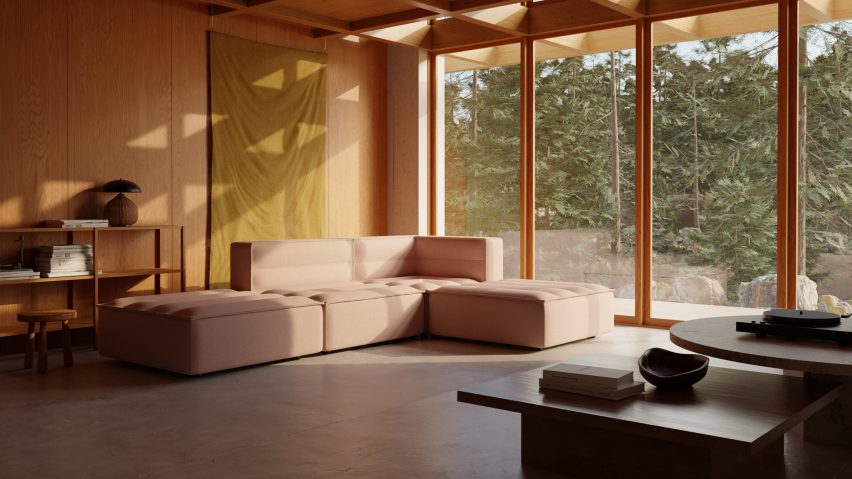
Modern living environments are undergoing a profound spatial transformation. Urbanization, smaller residential footprints, remote work culture, and shifting lifestyle priorities have redefined how people interact with their homes. A single room is often expected to transition seamlessly from a professional office during the morning hours into an active family lounge in the afternoon and an entertaining space by nightfall. Traditional, heavy, single-purpose furniture suites simply cannot keep pace with these dynamic routines.
Modular furniture solutions represent a responsive alternative to rigid interior design. Engineered around flexibility, customization, and spatial efficiency, modular systems allow homeowners and renters to reconfigure, expand, or scale down their furnishings as daily demands evolve. By prioritizing versatile structural components over fixed arrangements, modular furniture empowers individuals to optimize floor plans, maximize storage capacity, and create highly personalized living spaces.
The Evolution of Adaptable Home Layouts
For decades, standard furniture design relied on fixed dimensions and singular functions. A standard sofa remained a three-seat sofa, a dining table occupied a permanent footprint regardless of guest count, and bulky entertainment centers dominated living room walls. These static setups worked reasonably well when homes featured distinct, closed-off rooms for formal dining, relaxed gathering, and dedicated work.
However, modern residential architecture heavily favors open-concept floor plans and compact multi-family living. In these open spaces, physical walls no longer define functional zones. Instead, furniture placement establishes the boundaries between living, dining, working, and resting areas.
Modular furniture developed as a direct response to this architectural shift. By breaking larger items down into standardized, independent modules, manufacturers created systems that could be connected, stacked, rotated, or separated entirely. This adaptability ensures that living environments remain fluid, accommodating unexpected lifestyle shifts without requiring a complete interior overhaul.
Key Categories of Modular Furniture for Modern Spaces
Integrating modular elements into a residential space allows property owners to customize individual pieces according to room geometry, traffic flow, and personal habits. Several core categories of modular furniture have emerged as essential building blocks for adaptable homes.
Modular Sectionals and Seating Frameworks
Seating is often the largest spatial investment in a living room. Modular sectionals consist of individual corner units, armless chairs, ottomans, and chaise lounges that link together using concealed interlocking hardware.
-
Configurable Arrangements: Individual seats can be arranged into an expansive L-shape for family movie nights, split into separate armchairs for formal conversation, or combined into a deep guest bed configuration.
-
Reversible Chaise Layouts: Unlike traditional sectionals with fixed left-arm or right-arm chaises, modular seating allows the chaise element to move to either side, accommodating different wall lengths or entryways when moving to a new home.
-
Integrated Storage Modules: Many modular seating blocks feature lift-top seat cushions that conceal deep storage compartments for extra blankets, pillows, or games.
Transformable and Extendable Dining Tables
Dining areas must frequently balance daily household needs with occasional hosting requirements. Modular dining tables utilize fold-out leaves, drop-down panels, or sliding extension tracks to expand surface area on demand. Compact square tables designed for two people can quickly expand to accommodate six or eight guests, returning to a minimal footprint once the event concludes.
Modular Wall Systems and Shelving Units
Vertical storage represents one of the most underutilized assets in compact living layouts. Modular wall units feature grid-based tracks, floating shelves, cabinet boxes, and desk inserts that can be mounted and rearranged at will. As media equipment, book collections, or decor preferences change, individual shelves can be adjusted vertically or swapped for closed cabinet doors to conceal clutter.
Convertible Home Office Workstations
The rise of hybrid work has made dedicated desk space a necessity. Modular office systems offer fold-down wall desks, nesting tables, and movable filing caddies that create a fully functional workstation during business hours and fold away neatly when the workday ends. This flexibility prevents work equipment from permanently intranging upon relaxation zones.
Financial and Environmental Advantages of Modular Investments
Beyond spatial flexibility, investing in modular furniture offers long-term economic and environmental benefits. Buying low-quality, trend-focused furniture leads to frequent replacement cycles, generating substantial landfill waste and recurring financial strain.
Modular furniture promotes a sustainable lifecycle approach through several distinct mechanisms:
-
Scalability Over Time: Instead of purchasing an entirely new furniture set when moving into a larger home, owners can simply purchase additional matching modules to expand their existing configuration.
-
Simplified Component Repair: If a single section of a modular sofa sustains damage or staining, that specific module or fabric cover can be repaired or replaced independently without discarding the entire seating unit.
-
Easy Transportation and Moving: Smaller individual modules are vastly easier to maneuver through tight stairwells, hallways, and elevators, reducing moving stress and minimizing damage during transit.
-
Adaptability Across Life Stages: Modular units easily transition through different family stages, converting from nursery storage units into child study desks or adult media centers.
By reducing material consumption and extending operational lifespans, modular systems align with sustainable living practices while protecting long-term household budgets.
Design Strategies for Maximizing Space with Modular Units
To make the most of modular furniture, strategic planning is required. Haphazardly arranging flexible components can still result in a cluttered or disjointed room atmosphere.
When configuring modular layouts, apply these core interior design strategies:
-
Measure Traffic Pathways First: Always map out primary walking routes through a room before locking modular pieces into place. Ensure at least thirty inches of open walkway space between major furniture edges and walls.
-
Maintain Visual Balance: Balance low-profile modular seating with tall, slender vertical shelving units to draw the eye upward and emphasize ceiling height.
-
Choose Neutral Base Colors: Select neutral upholstery or wood finishes for primary modular structures. Use easily exchangeable throw pillows, rugs, and art to introduce accent colors that can be updated over time.
-
Define Functional Zones with Rugs: In open-concept spaces, use large area rugs beneath distinct modular groupings to visually anchor the living, dining, or work zones.
-
Leverage Multifunctional Ottoman Units: Use modular ottomans as flexible wildcard items that function as footrests, extra seating, or coffee tables when topped with solid trays.
Careful attention to scale, proportion, and traffic movement ensures that a modular layout feels intentional, polished, and effortlessly functional.
Future-Proofing Your Home for Evolving Lifestyle Changes
The primary strength of modular architecture lies in its ability to adapt to the unexpected. Life shifts such as welcoming a new family member, adopting a pet, taking on a remote job, or downsizing during retirement inevitably impact how space is used.
Rather than viewing furniture as a rigid commitment, modular design treats interior layout as an ongoing, creative dialogue between residents and their physical surroundings. By choosing quality modular components built on standardized dimensions and durable connecting mechanisms, property owners create resilient environments capable of evolving alongside their personal journeys.
Frequently Asked Questions
Are the connecting mechanisms on modular sectionals sturdy enough to prevent modules from sliding apart?
Modern modular furniture utilizes heavy-duty steel alligator clips, heavy-duty ratchet connectors, or high-strength magnetic locking plates beneath the frame to secure individual pieces. These hidden connectors lock modules firmly together, preventing gaps from forming during daily use while remaining easy to unlatch when you decide to reconfigure the layout.
Can modular wall shelving units be safely installed in rental properties without damaging drywalls?
Many contemporary modular shelving systems utilize tension-mounted floor-to-ceiling poles or lightweight cleat tracks that require minimal wall anchoring. For rental apartments, choosing freestanding modular bookcase units or tension-pole systems provides vertical flexibility while leaving only minimal, easily patchable nail holes upon move-out.
How do I clean and maintain modular sofas with removable fabric covers?
Modular sofas frequently feature fully removable cushion covers equipped with concealed zippers. Depending on the fabric specification, these covers can be machine-washed on gentle cycles or dry-cleaned. Having removable covers allows for deep cleaning, spot treatment, and the option to purchase seasonal replacement covers in different colors without replacing the core foam frame.
What materials are best for long-term durability in modular furniture frames?
Look for modular frames constructed from kiln-dried hardwoods like oak or maple, engineered plywood composites, or powder-coated steel frameworks. Kiln-drying removes internal wood moisture, preventing warping or cracking over time, while reinforced metal joint plates ensure connecting points withstand repeated assembly and reassembly.
How do I prevent a modular furniture arrangement from looking like a temporary or office-like setup?
To create a warm, residential ambiance, mix modular upholstered pieces with organic textures such as natural wood grain, woven wool rugs, brass or matte black light fixtures, and indoor plants. Integrating vintage accent pieces, expressive artwork, and soft drapery balances the clean geometric lines of modular systems, giving the room a curated, custom feel.
Is modular furniture suitable for narrow or irregularly shaped floor plans?
Modular furniture is especially effective in narrow or non-standard rooms because you can arrange modules to fit exact architectural dimensions. Instead of forcing a standard sofa into an awkward niche, you can create a custom linear bench, an asymmetrical corner nook, or a stepped shelving unit that mirrors the unique angles of the room.
How do modular furniture costs compare to traditional high-end furniture sets?
Initial purchase prices for quality modular systems can be comparable to or slightly higher than standard mid-tier furniture due to specialized hardware engineering and modular upholstery finishing. However, because modular systems eliminate the need to purchase entirely new furniture sets when moving or changing room layouts, they deliver significant cost savings over their total lifecycle.

Comments are closed.