

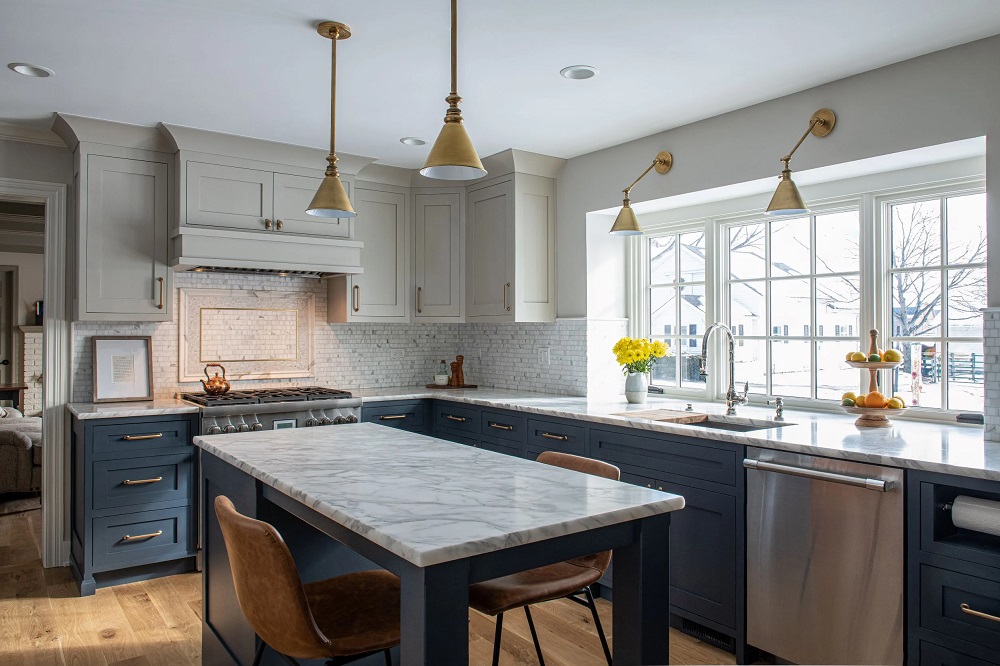
Remodeling is more than a cosmetic upgrade—it’s a strategic improvement that enhances how a space looks, feels, and performs. Whether you’re updating a single room or transforming an entire property, thoughtful remodeling can improve daily comfort, boost property value, and adapt your home or workspace to evolving needs.
What Remodeling Really Means
Remodeling involves modifying the structure, layout, or functionality of an existing space. Unlike minor renovations that focus only on surface-level changes, remodeling often includes reconfiguring rooms, upgrading systems, or modernizing outdated designs to better suit current lifestyles.
Common remodeling projects include:
-
Kitchen and bathroom transformations
-
Room additions or conversions
-
Structural layout changes
-
Energy-efficiency upgrades
Key Benefits of Remodeling
Enhanced Functionality
A well-planned remodel improves how a space works. Open floor plans, better storage, and improved traffic flow can dramatically enhance daily living.
Increased Property Value
Strategic remodeling—especially kitchens, bathrooms, and curb appeal—can significantly raise resale value and market appeal.
Energy Efficiency and Sustainability
Modern materials, insulation, and energy-efficient systems reduce utility costs while supporting environmentally responsible living.
Personalization and Comfort
Remodeling allows you to tailor a space to your preferences, whether that means modern aesthetics, accessibility features, or smart-home integrations.
Popular Remodeling Areas
Kitchen Remodeling
The kitchen is often the heart of the home. Remodeling may include:
-
Updated cabinetry and countertops
-
Modern appliances
-
Improved lighting and ventilation
-
Open-concept layouts
Bathroom Remodeling
Bathrooms benefit from both aesthetic and functional upgrades, such as:
-
Walk-in showers or soaking tubs
-
Water-efficient fixtures
-
Improved storage and lighting
Living Spaces and Additions
Expanding or reworking living areas can accommodate growing families or new uses, like home offices or entertainment rooms.
Planning a Successful Remodeling Project
Define Clear Goals
Start with a clear vision of what you want to achieve—more space, better flow, or updated style.
Set a Realistic Budget
Account for materials, labor, permits, and a contingency fund for unexpected expenses.
Choose Quality Materials
Durable, high-quality materials may cost more upfront but often save money long-term through longevity and reduced maintenance.
Work With Experienced Professionals
Skilled contractors, designers, and project managers help ensure safety, compliance, and efficient execution.
Common Remodeling Mistakes to Avoid
-
Underestimating costs and timelines
-
Ignoring building codes and permits
-
Prioritizing trends over long-term usability
-
Poor communication with contractors
Avoiding these pitfalls helps keep projects on track and results aligned with expectations.
Remodeling Trends Worth Considering
-
Open-concept living spaces
-
Smart-home technology integration
-
Eco-friendly materials and finishes
-
Multifunctional rooms
-
Minimalist, timeless design aesthetics
Trends should inspire—not dictate—your remodeling decisions. Balance modern ideas with lasting value.
FAQs About Remodeling
1. What is the difference between remodeling and renovation?
Remodeling changes the structure or function of a space, while renovation focuses on restoring or updating existing features.
2. How long does a typical remodeling project take?
Timelines vary by scope, but small projects may take weeks, while full-home remodels can take several months.
3. Is remodeling worth the investment?
Yes, when planned well, remodeling can improve quality of life and increase property value.
4. Do I need permits for remodeling?
Many structural, electrical, or plumbing changes require permits. Always check local regulations.
5. How can I minimize disruption during remodeling?
Clear planning, phased work, and temporary living arrangements can reduce inconvenience.
6. Should I remodel before selling my property?
Targeted remodeling can increase appeal and sale price, especially in kitchens and bathrooms.
7. Can remodeling improve energy efficiency?
Absolutely. Upgraded insulation, windows, and systems can significantly lower energy consumption.

Comments are closed.