

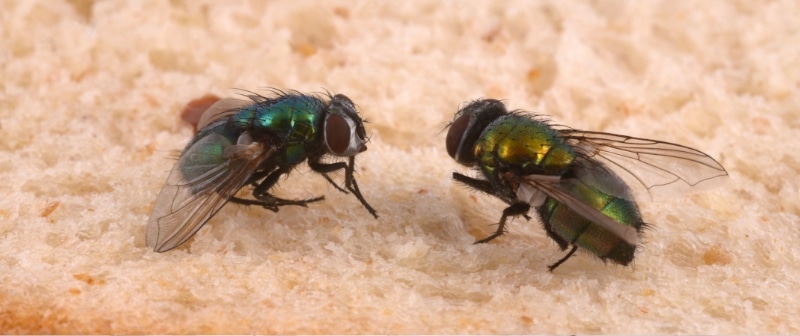
Many Vancouver residents may notice flies as soon as winter fades. These creatures may be found in kitchens, patios, and garages due to the presence of the items they need to survive. That is why many people wonder if fly-related issues peak during spring or if other seasons bring more trouble. The answer depends on weather patterns, fly behavior, and how homes and yards change after winter. A closer look at spring conditions can help explain why flies feel more noticeable during this time of year.
Why Spring Triggers Fly Activity
Flies that survived winter become active again as temperatures rise. Some species overwinter as adults in wall voids, attics, or outdoor shelters. Others survive as pupae in soil or organic matter. Once warmth returns, these flies emerge in search of food and breeding sites. This sudden activity creates the sense of a spike, especially after months with few insects in sight. That is why spring should be a great time for homeowners to ask for help from Pointe Pest Control. The company can deploy a team of technicians who can effectively eliminate flies and prevent them from coming back.
Moisture From Rain Is a Factor
Vancouver may experience constant rain during the spring. Moisture supports fly development and attracts them to yards and structures. Flies can use wet soil, compost, and organic debris as breeding spots. They are drawn to standing water near drains, low spots in yards, or clogged gutters.
Decay From Winter Becomes a Magnet
Winter leaves behind fallen leaves, plant debris, and organic waste. This material starts to break down as spring warmth sets in. Flies thrive on decay, using it as a food source and breeding ground. Yards that did not see much cleanup during winter may support higher fly populations in spring. Compost piles and garden beds also become active zones as decomposition speeds up.
Spring Brings Open Doors and Windows
People spend more time outside as the weather improves. Doors and windows open more often for fresh air. Screens may have small tears that went unnoticed during winter. This change in habits gives flies more chances to enter homes.
Certain Fly Species Peak in Spring
Some species may show strong spring activity. For instance, cluster flies may appear inside homes during early warm spells. These flies overwinter in walls and emerge when temperatures rise. House flies also increase during spring as food sources become available. Blow flies may appear near trash areas or yards with organic debris.
Why Spring Flies Feel More Noticeable
Any insect activity stands out after a quiet winter. A few flies feel like many when homes have stayed fly-free for months. This contrast makes spring issues feel worse, even if numbers remain moderate. People also spend more time cooking, hosting, and opening living spaces during spring. These activities place flies closer to daily routines.
Summer Heat Changes Fly Behavior
Fly activity does not stop as summer arrives. Hot, dry periods reduce some breeding sites, especially if moisture drops. Flies may move toward shaded or indoor areas to escape heat. Trash odors increase in summer heat, which attracts flies near homes. Outdoor gatherings also mean bringing food and drink outside.
Fall Brings Another Change
Fly behavior changes again in the fall. Some species search for shelter as temperatures cool. This leads to flies near buildings and entry points. Cluster flies often return during this time as they look for overwinter spots. This pattern means spring is not the only season with fly issues. It simply marks the first major wave after winter.
Are Fly Problems Truly Worst in Spring?
Spring may feel like the worst season due to sudden fly activity and visibility. Fly populations wake up, moisture stays high, and human habits shift toward open spaces. But fly issues rarely belong to one season alone. Spring serves as the starting point, while summer and fall continue the cycle in different ways.

Comments are closed.