

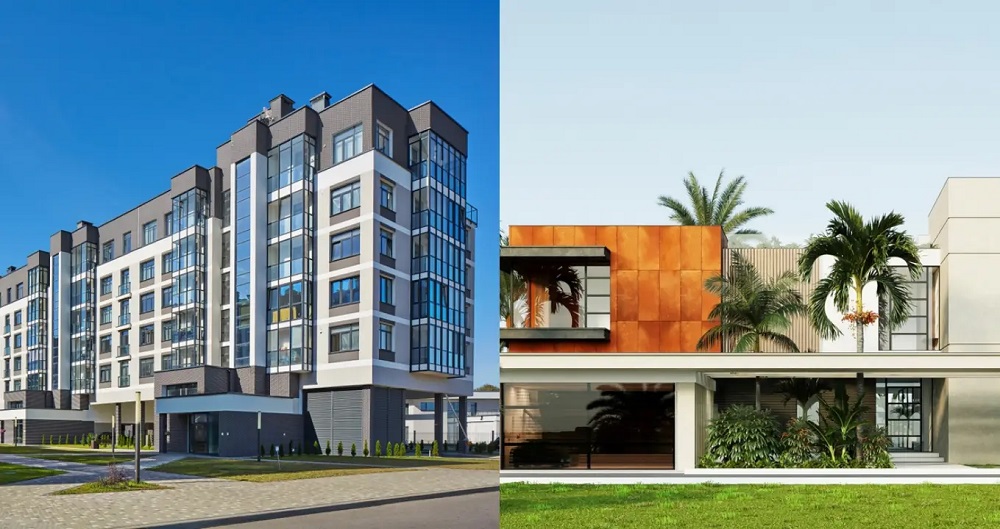
Apartments have become one of the most popular housing choices worldwide, especially in cities where space, convenience, and accessibility matter most. Whether you are a student, a working professional, or a family looking for flexibility, apartments offer a lifestyle that adapts to changing needs without the long-term commitments of owning a house.
What Is an Apartment?
An apartment is a self-contained residential unit within a larger building or complex. It typically includes essential living spaces such as bedrooms, a kitchen, a bathroom, and a living area, all designed for efficient use of space. Apartments can be rented or owned, depending on local housing markets and regulations.
Types of Apartments
Understanding different apartment types helps you choose the one that best suits your lifestyle and budget.
Studio Apartments
A studio apartment combines the living room, bedroom, and kitchen into a single open space, with a separate bathroom. It is ideal for individuals seeking affordability and simplicity.
One-Bedroom and Multi-Bedroom Apartments
These apartments offer separate bedrooms, making them suitable for couples, roommates, or small families who value privacy and defined spaces.
Duplex and Loft Apartments
-
Duplex apartments span two levels connected by an internal staircase
-
Loft apartments feature open layouts with high ceilings and minimal interior walls
Both options appeal to those who prefer modern, spacious designs.
Luxury Apartments
Luxury apartments often include premium finishes and exclusive amenities such as:
-
Fitness centers
-
Swimming pools
-
Concierge services
-
Secure parking
They are designed for comfort, convenience, and an upscale living experience.
Benefits of Living in an Apartment
Apartment living offers several advantages that make it attractive in urban and suburban settings.
-
Affordability: Lower upfront costs compared to buying a house
-
Low Maintenance: Repairs and exterior upkeep are usually handled by management
-
Amenities: Access to shared facilities without individual ownership costs
-
Location: Proximity to workplaces, schools, shopping centers, and public transport
-
Security: Gated access, surveillance systems, and on-site staff in many complexes
Factors to Consider Before Renting or Buying an Apartment
Choosing the right apartment requires careful evaluation beyond just the rent or purchase price.
Location
Consider commute times, neighborhood safety, and nearby essentials like grocery stores and hospitals.
Budget and Hidden Costs
Apart from rent or mortgage payments, factor in:
-
Maintenance fees
-
Utilities
-
Parking charges
-
Security deposits
Size and Layout
Ensure the apartment layout matches your lifestyle, storage needs, and future plans.
Lease Terms or Ownership Rules
Review lease agreements or homeowner association rules carefully to avoid unexpected restrictions.
Apartments vs. Houses: A Quick Comparison
Apartments differ from standalone houses in several important ways.
-
Space: Apartments generally offer less private outdoor space
-
Responsibility: Maintenance is shared or managed centrally
-
Flexibility: Easier to relocate when renting an apartment
-
Cost: Typically more budget-friendly in urban areas
For many people, apartments strike a balance between comfort and convenience.
The Future of Apartment Living
As cities grow denser, apartments are evolving to meet modern demands. Sustainable designs, smart home technology, and community-focused spaces are becoming more common. These innovations aim to enhance quality of life while reducing environmental impact, making apartments a long-term solution for urban housing.
Frequently Asked Questions (FAQs)
1. Are apartments a good long-term housing option?
Yes, apartments can be ideal for long-term living, especially in urban areas where convenience, security, and amenities are priorities.
2. What is the main difference between an apartment and a condominium?
The key difference lies in ownership. Apartments are usually rented, while condominiums are individually owned units within a building.
3. Do apartments appreciate in value?
Owned apartments can appreciate, but value growth depends on location, demand, and overall real estate market conditions.
4. Is apartment living suitable for families?
Many apartments are family-friendly, especially those with multiple bedrooms, play areas, and proximity to schools.
5. What should I check before signing an apartment lease?
Review rent terms, maintenance responsibilities, lease duration, pet policies, and exit clauses carefully.
6. Are utilities usually included in apartment rent?
It varies. Some apartments include utilities in rent, while others charge separately for electricity, water, and internet.
7. How can I make a small apartment feel larger?
Using light colors, multifunctional furniture, mirrors, and smart storage solutions can make compact apartments feel more spacious.

Comments are closed.