

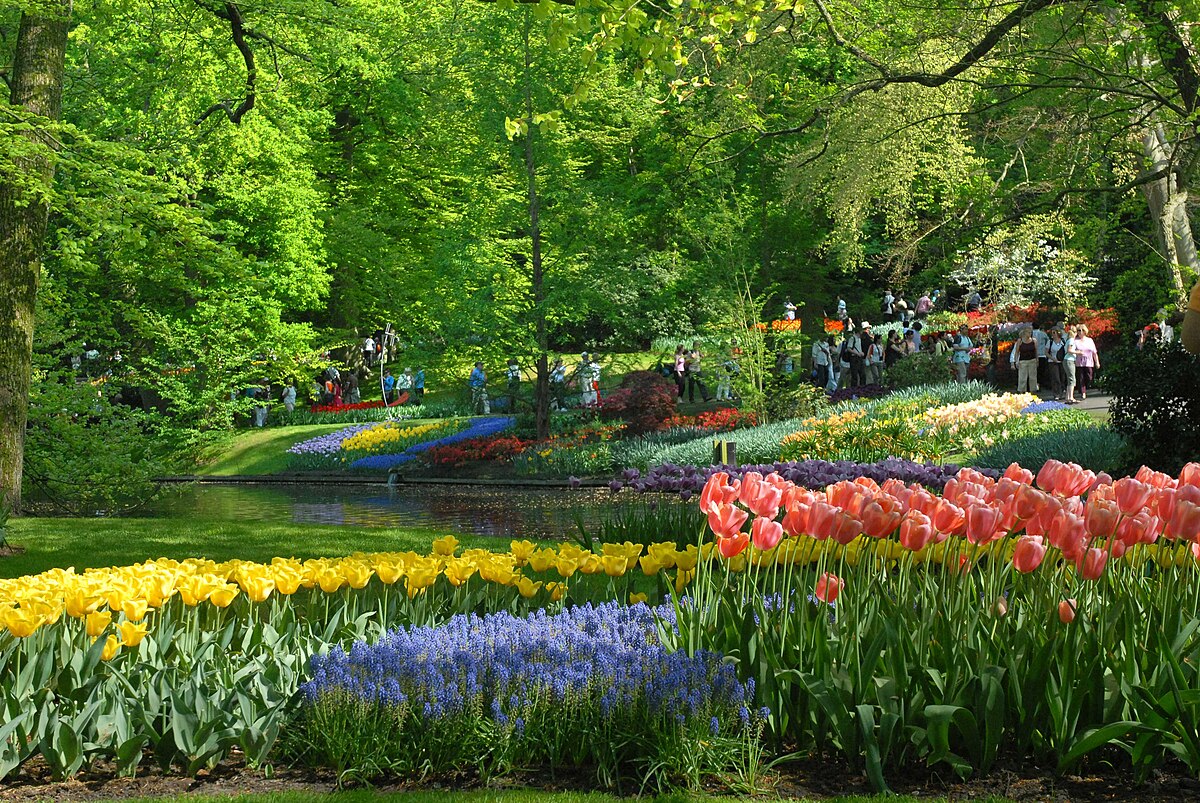
Gardens are more than decorative patches of green. They are living systems that improve air quality, support biodiversity, reduce stress, and provide fresh food. Whether you are planting a small balcony garden or managing a spacious backyard, understanding the fundamentals makes the difference between struggling plants and a flourishing garden.
Understanding the Purpose of a Garden
A garden should be designed with intent. Some people grow gardens for beauty, others for food, and many for a combination of both.
Common garden purposes include:
-
Food production through vegetables, fruits, and herbs
-
Visual appeal with flowers and ornamental plants
-
Environmental benefits such as pollinator support
-
Mental and physical well-being
Clarifying your goal helps determine layout, plant selection, and maintenance needs.
Types of Gardens You Can Create
Gardens vary based on available space, climate, and personal preference.
Home and Backyard Gardens
These are the most common and flexible types, allowing a mix of vegetables, flowers, and shrubs.
Container Gardens
Ideal for apartments or limited spaces, container gardening uses pots, grow bags, or boxes.
Vegetable Gardens
Focused on edible crops like tomatoes, peppers, greens, and root vegetables.
Flower Gardens
Designed mainly for aesthetics, featuring seasonal or perennial blooms.
Organic Gardens
Avoid synthetic fertilizers and pesticides, relying on compost and natural soil health.
Soil: The Foundation of a Healthy Garden
Healthy soil determines how well plants grow. Poor soil leads to weak roots and low yields.
Key soil qualities to maintain:
-
Good drainage to prevent root rot
-
Balanced nutrients for steady growth
-
Proper pH levels suited to plant types
Adding compost regularly improves soil structure and fertility naturally.
Choosing the Right Plants
Not every plant thrives in every location. Climate, sunlight, and water availability matter.
When selecting plants, consider:
-
Local weather and seasonal temperatures
-
Sun exposure (full sun, partial shade, full shade)
-
Water requirements
-
Growth space and maturity size
Native plants often perform better and require less maintenance.
Watering and Irrigation Practices
Watering incorrectly is one of the most common gardening mistakes.
Best watering practices include:
-
Watering early in the morning to reduce evaporation
-
Deep watering to encourage strong root growth
-
Avoiding waterlogged soil
Drip irrigation or soaker hoses improve efficiency and reduce water waste.
Garden Maintenance Essentials
A garden needs consistent care to stay productive and attractive.
Routine maintenance tasks include:
-
Removing weeds before they spread
-
Pruning damaged or overgrown plants
-
Monitoring for pests and disease
-
Refreshing mulch to retain moisture
Regular observation helps catch problems early.
Benefits of Gardening
Gardening offers long-term rewards beyond plant growth.
Key benefits include:
-
Reduced stress and improved mental health
-
Fresh, chemical-free produce
-
Increased physical activity
-
A stronger connection to nature
Even small gardens can have a meaningful impact.
Common Gardening Mistakes to Avoid
Many beginners face similar challenges.
Avoid these frequent errors:
-
Overwatering plants
-
Ignoring soil quality
-
Planting without checking sunlight needs
-
Using too much fertilizer
Learning from mistakes is part of becoming a better gardener.
Frequently Asked Questions
What is the best time to start a garden?
The ideal time depends on your climate, but spring is generally best for most plants.
How often should a garden be watered?
Most gardens need watering two to three times per week, depending on weather and soil type.
Can I garden without a backyard?
Yes, container gardening allows you to grow plants on balconies, patios, or indoors.
How do I improve poor soil naturally?
Adding compost, organic matter, and mulch over time will improve soil quality.
Are organic gardens harder to maintain?
Organic gardens may require more observation but are healthier and more sustainable long term.
What are the easiest plants for beginners?
Herbs, leafy greens, tomatoes, and marigolds are beginner-friendly options.
How can I keep pests away without chemicals?
Natural solutions include companion planting, neem oil, and encouraging beneficial insects.

Comments are closed.