

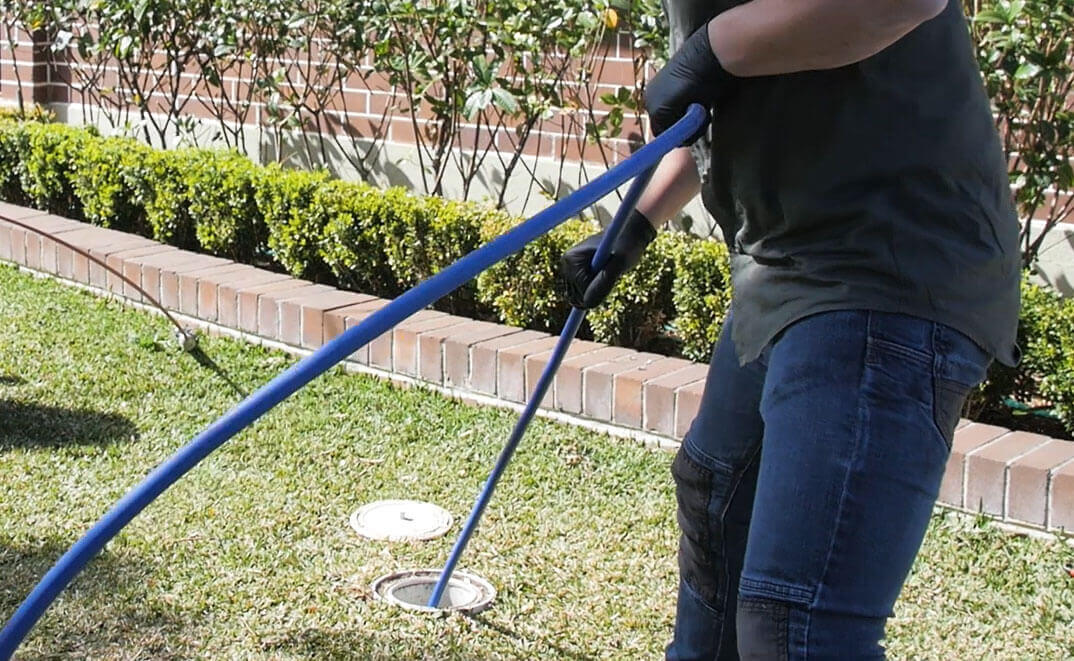
Blocked drains are one of the most frustrating plumbing issues faced by Sydney homeowners. From slow-draining sinks to overflowing toilets, these problems can disrupt daily life and even lead to costly repairs if not addressed promptly. But what causes blocked drains in the first place? Understanding the common culprits can help you prevent future plumbing headaches and keep your drains flowing smoothly.
Here are the 10 most common causes of blocked drains in Sydney homes:
1. Hair Build-Up
Hair is one of the biggest offenders when it comes to blocked bathroom drains. Over time, hair strands combine with soap scum and other debris, forming clumps that can clog shower and sink pipes. If left unchecked, the blockage can grow, slowing water flow and eventually stopping it altogether.
2. Grease and Fat Accumulation
In the kitchen, grease and fat are leading causes of drain blockages. Pouring cooking oil, butter, or other fatty substances down the sink may seem harmless at first, but as they cool, they solidify and stick to the inner walls of pipes. Over time, this builds up, narrowing the pipe and trapping other debris, leading to a full blockage.
3. Tree Root Intrusion
Sydney’s lush greenery may be beautiful, but it poses a unique challenge for plumbing systems. Tree roots are naturally attracted to water sources, and underground pipes are the perfect target. Small cracks in pipes can allow roots to infiltrate, causing severe blockages and even pipe damage. This is a particularly common issue in older Sydney neighbourhoods with aging infrastructure.
4. Soap Scum
Soap residue, particularly from bar soaps, can accumulate in pipes over time. This residue combines with minerals in Sydney’s water supply to form a sticky, chalky substance that clings to pipe walls. As more soap scum builds up, it narrows the pipe’s diameter, leading to blockages in sinks, bathtubs, and showers.
5. Food Scraps
Even if you have a garbage disposal, food scraps can still cause problems in your kitchen sink. Items like coffee grounds, rice, pasta, and eggshells can clump together and create blockages. These items don’t break down easily in water, and they can combine with grease or other debris to form stubborn clogs.
6. Wet Wipes and Hygiene Products
Flushing wet wipes, sanitary products, and even “flushable” wipes down the toilet is a leading cause of blocked drains in Sydney. These items don’t break down like toilet paper and can easily get stuck in pipes, leading to serious blockages in the sewer line. Despite their convenience, these products are better disposed of in the trash.
7. Mineral Build-Up
Sydney’s water supply contains minerals that, over time, can accumulate and create hard, chalky deposits inside pipes. This phenomenon, known as limescale, reduces water flow and can contribute to clogs. Homes in areas with harder water are particularly prone to this issue.
8. Foreign Objects
Toys, jewellery, and other small objects accidentally dropped down drains or flushed down toilets can cause immediate blockages. This is a common issue in homes with young children, where curiosity can lead to unexpected plumbing problems.
9. Poor Pipe Installation
Improperly installed plumbing systems can lead to recurring blockages. Misaligned or poorly joined pipes can cause water flow issues, while pipes with insufficient slope may allow debris to settle and accumulate. In some Sydney homes, especially older ones, outdated plumbing systems exacerbate these problems.
10. Stormwater Debris
Sydney’s unpredictable weather can wreak havoc on outdoor drainage systems. Heavy rain can wash leaves, dirt, and debris into stormwater drains, causing them to clog. Blocked stormwater drains can lead to flooding in yards, driveways, and even homes if the water has nowhere to go.
How to Prevent Blocked Drains in Sydney
While blocked drains are often unavoidable, there are steps you can take to reduce the risk. Regular maintenance, such as cleaning your drains and installing drain guards, can prevent debris from entering the pipes. Avoid pouring grease, oil, and food scraps down the kitchen sink, and never flush non-biodegradable items like wet wipes or sanitary products.
If you suspect a blockage, acting quickly is key. Slow drainage, gurgling sounds, or foul odors are early warning signs that shouldn’t be ignored. Calling professional Sydney plumbers can help you address the issue before it escalates into a more significant—and expensive—problem.
Blocked drains are a common issue in Sydney, but with proper awareness and maintenance, you can keep your plumbing system in great shape. Whether it’s a minor blockage or a more serious problem, understanding the causes is the first step in preventing future headaches.
=

Comments are closed.